Rediscovering the Septuagint (LXX): Amos 5:25-27

I hope you will journey with me in rediscovering the beauty of God’s Word in the Septuagint (LXX). In 285 BC, the LXX was translated from paleo-Hebrew by 70 Jewish translators into Greek, the language of most of the civilized world at that time. Due to its pre-Christ and pre-fall of Jerusalem date, the LXX cannot be accused of being influenced by any underlying animosity toward Christ or Christianity or desire to elevate Judaism’s claim to God’s blessings or the promised land. Most Christians believe the Masoretic Text (MT), upon which our English Old Testament is based, is written in the original Hebrew, but it too is a translation from the ancient and by then dead paleo-Hebrew Phoenician pictograph script into the modern Hebrew block script derived from Aramaic. The Masoretes completed it between 600 t0 1000 AD, by which time the Jews had become hostile to the Christian message, which shows up in various omissions, changes, and obfuscations of verses and passages that clearly point to Christ in the LXX. 

Jesus taught us that all scripture points to him (John 5:39). As a rule, the Septuagint more clearly points to Jesus than does the MT.

In the West, Christians have not questioned the MT since Jerome chose it as the basis for his Latin Vulgate Old Testament. The Eastern Orthodox Church, to their credit, never deviated from the Septuagint, preserving it for later generations to rediscover. Because of the power of tradition, it is quite difficult for many of us in the West to think of the LXX as being more trustworthy than the MT, but I have found that a side-by-side comparison indicates otherwise.

In this series of articles, I have undertaken to illustrate the similarities and differences between the MT and LXX by examining various passages. Below is another example. The Septuagint version I am using is the Lexham English Septuagint 2nd Edition. It is available in print or digitally through Logos Bible Software. Occasionally I reference Brenton’s translation, which is a good one, but the English is somewhat dated.

Masoretic Text Septuagint Significance

25 “Did you offer Me sacrifices and offerings In the wilderness forty years, O house of Israel? 26 You also carried Sikkuth your king And Chiun, your idols, The star of your gods, Which you made for yourselves. 27 Therefore I will send you into captivity beyond Damascus,” Says the LORD, whose name is the God of hosts. Amos 5:25–27 (NKJV) 

25 Did you bring me offerings and sacrifices in the wilderness forty years, O house of Israel? 26 And you took along the tent of Molech and the star of your god Kaiwan, the images of them that you made for yourselves. 27 So I will resettle you beyond Damascus,” says the Lord; the Almighty God is his name. Amos 5:25–27 (LES2) 

This passage from Amos is quoted by Stephen in his last sermon before being stoned to death by the Jews. It calls to mind Israel’s inveterate idolatry which goes all the way back to Abraham’s day and was on display during the wilderness wandering and throughout their history. Stephen used this particular passage from Amos to indict his listeners for their spiritual adultery and habitual resistance of the Holy Spirit, which continues to this day.

Before introducing the NT quote, I will do a comparison between the MT and LXX. Then we will see how Stephen’s quote compares and contrasts.

Verse 25 contains little or no differences. In verse 26, however, MT says Israel “carried Sikkuth your King,” but the LXX says, they “took along the tent of Molech.” Sikkuth referred to an obscure Babylonian god named Sakkut. The LXX, which was translated from the paleo-Hebrew centuries before the MT came into being, says the false god was Molech, for which the Israelites even had a tent. 

The next idol mentioned in the MT is Chiun, with which the star is associated. Chiun was another name for the astral deity called Saturn, whose star was a hexagon. Today this star is on the Israeli flag and has been euphemistically renamed the star of David. The LXX calls this god Kaiwan, which is an alternate spelling, and it makes the direct link to the star.

In the MT, verse 27 says that Israel, the northern kingdom, will be sent into captivity beyond Damascus, which referred to Assyria. The LXX says they will be resettled there.

25 “Did you offer Me sacrifices and offerings In the wilderness forty years, O house of Israel? 26 You also carried Sikkuth your king And Chiun, your idols, The star of your gods, Which you made for yourselves. 27 Therefore I will send you into captivity beyond Damascus,” Says the LORD, whose name is the God of hosts. Amos 5:25–27 (NKJV) 

25 Did you bring me (prosphero) offerings (sphagion) and sacrifices (thusia) in the wilderness forty years, O house of Israel? 26 And you took along (analambano) the tent (skene) of Molech and the star (astron) of your god Kaiwan, the images (tupos) of them that you made (poieo) for yourselves. 27 So I will resettle (metoikizo) you beyond (epekeina) Damascus,” says the Lord; the Almighty God is his name. Amos 5:25–27 (LES2) 

Below is Stephen’s quote from Acts. I underlined the part that is from Amos and inserted the Greek words in parenthesis in both the LXX and NT quote.

42 Then God turned and gave them up to worship the host of heaven, as it is written in the book of the Prophets: ‘Did you offer (prosphero) Me slaughtered animals (sphagion) and sacrifices (thusia) during forty years in the wilderness, O house of Israel? 43 You also took up (analambano) the tabernacle (skene) of Moloch, And the star (astron) of your god Remphan, Images (tupos) which you made (poieo)  to worship (proskuneo); And I will carry you away (metoikizo) beyond (epekeina) Babylon.’ Acts 7:42–43 (NKJV)

It is clear that the Greek of the LXX tracks with that of the NT quote. As in the LXX, Stephen identifies the first idol as Molech. The second idol he calls Remphan, which is an alternate name for Kaiwan or Saturn. In addition, Stephen, (Or should I say the Holy Spirit?) jumped forward to the second exile to Babylon because, unlike Amos, Stephen was talking to people from the southern kingdom of Judah who were indeed sent into exile there.

One again we see evidence that the early church relied upon the Greek translation of the Old Testament Scriptures because the Masoretic translation would not be completed for another 1000 years. The fact that the LXX is quoted in the New Testament confirms that it is the Word of God.

Conclusion

If you want to know more about why Christians should prefer the Septuagint to the MT, click on this link. In another article, I share some of the things I have so far learned by making this comparison. As for me, I now prefer the LXX. It was Paul’s and the other apostles’ standard for Old Covenant truth, was used by synagogues in Jesus’s day,  and is most often quoted in the New Testament. That makes it good enough for me.

More articles comparing the Septuagint to the MT

Rediscovering the Septuagint (LXX): Amos 9:11-12

I hope you will journey with me in rediscovering the beauty of God’s Word in the Septuagint (LXX). In 285 BC, the LXX was translated from paleo-Hebrew by 70 Jewish translators into Greek, the language of most of the civilized world at that time. Due to its pre-Christ and pre-fall of Jerusalem date, the LXX cannot be accused of being influenced by any underlying animosity toward Christ or Christianity or desire to elevate Judaism’s claim to God’s blessings or the promised land. Most Christians believe the Masoretic Text (MT), upon which our English Old Testament is based, is written in the original Hebrew, but it too is a translation from the ancient and by then dead paleo-Hebrew Phoenician pictograph script into the modern Hebrew block script derived from Aramaic. The Masoretes completed it between 600 t0 1000 AD, by which time the Jews had become hostile to the Christian message, which shows up in various omissions, changes, and obfuscations of verses and passages that clearly point to Christ in the LXX. 

Jesus taught us that all scripture points to him (John 5:39). As a rule, the Septuagint more clearly points to Jesus than does the MT.

In the West, Christians have not questioned the MT since Jerome chose it as the basis for his Latin Vulgate Old Testament. The Eastern Orthodox Church, to their credit, never deviated from the Septuagint, preserving it for later generations to rediscover. Because of the power of tradition, it is quite difficult for many of us in the West to think of the LXX as being more trustworthy than the MT, but I have found that a side-by-side comparison indicates otherwise.

In this series of articles, I have undertaken to illustrate the similarities and differences between the MT and LXX by examining various passages. Below is another example. The Septuagint version I am using is the Lexham English Septuagint 2nd Edition. It is available in print or digitally through Logos Bible Software. Occasionally I reference Brenton’s translation, which is a good one, but the English is somewhat dated.

Masoretic Text Septuagint Significance

11 “On that day I will raise up The tabernacle of David, which has fallen down, And repair its damages; I will raise up its ruins, And rebuild it as in the days of old; 12 That they may possess the remnant of Edom, And all the Gentiles who are called by My name,” Says the LORD who does this thing. Amos 9:11–12 (NKJV) 

11 On that day I will raise (anhistemi) up the tent (skene) of David that has fallen (pipto), and I will rebuild (anoikodemeo) its things that have fallen (pipto), and I will raise (anhistemi) up its things that have been destroyed (katascapto), and I will rebuild (anoikodomeo) it just as the days of eternity (aion), 12 so that the remnant (kataloipos) of the people (anthropos), and all the nations (ethnos) upon whom my name was invoked (epikaleo) upon them, will search (ekzeteo) for me,” says the Lord who is making (poieo) these things. Amos 9:11–12 (LES2) 

The main differences between the MT and LXX in this passage are the following:

  1. The MT says the tabernacle or tent of David will be rebuilt “as in the days of old,” but the LXX says, “as the days of eternity. Perhaps this is to signify that the church has been in God’s heart from eternity. (Ephesians 1:4)
  2. The MT says “they” will “possess the remnant of Edom and all the Gentiles who are called by my name.” The Hebrew word means to “possess or dispossess, especially by force.” This is what the nation of Israel is currently doing in Gaza, Lebanon, etc. The LXX, however, turns this completely around by saying the “people and all the nations…will search for me.” As is often the case, the MT elevates Israel, but the LXX elevates Christ and the church. It is interesting to read commentary based on the MT. Bible scholars work hard at trying to make sense of what I consider to be misleading text..

James, the Lord’s brother, the overseer of the church in Jerusalem quoted this passage at a conference discussing how the law of Moses would be applied to the Gentiles.

13 And after they had become silent, James answered, saying, “Men and brethren, listen to me: 14 Simon has declared how God at the first visited the Gentiles to take out of them a people for His name. 15 And with this the words of the prophets agree, just as it is written: 16 ‘After this I will return And will rebuild (anoikodemeo) the tabernacle (skene) of David, which has fallen down (pipto); I will rebuild (anoikodemeo) its ruins (katascapto), And I will set it up (anorthoo); 17 So that the rest (kataloipos) of mankind (anthropos) may seek (ekzeteo) the LORD, Even all the Gentiles (ethnos) who are called (epikaleo) by My name, Says the LORD who does (poieo) all these things.’ 18 “Known to God from eternity are all His works. Acts 15:13–18 (NKJV) 

By carefully comparing the LXX to the NT quote, we see that almost all the words in Greek match. One difference is the verb in the LXX for “rebuild” is “anoikodemeo,” but the NT uses “anorthoo.” James omitted the phrase, “just as in the days of eternity.” As for other minor differences, we need to remember that James was citing the OT text from memory rather than reading from the LXX.  James also omits adding “all the nations” after saying that the remnant of mankind will seek the Lord.

Taking all of this together, it is clear that James quoted the LXX. It is also clear that the LXX points to Christ and the mystery of the Gentiles’ inclusion in God’s kingdom.

Conclusion

If you want to know more about why Christians should prefer the Septuagint to the MT, click on this link. In another article, I share some of the things I have so far learned by making this comparison. As for me, I now prefer the LXX. It was Paul’s and the other apostles’ standard for Old Covenant truth, was used by synagogues in Jesus’s day,  and is most often quoted in the New Testament. That makes it good enough for me.

More articles comparing the Septuagint to the MT

Rediscovering the Septuagint (LXX): Isaiah 59:7-21

I hope you will journey with me in rediscovering the beauty of God’s Word in the Septuagint (LXX). In 285 BC, the LXX was translated from paleo-Hebrew by 70 Jewish translators into Greek, the language of most of the civilized world at that time. Due to its pre-Christ and pre-fall of Jerusalem date, the LXX cannot be accused of being influenced by any underlying animosity toward Christ or Christianity or desire to elevate Judaism’s claim to God’s blessings or the promised land. Most Christians believe the Masoretic Text (MT), upon which our English Old Testament is based, is written in the original Hebrew, but it too is a translation from the ancient and by then dead paleo-Hebrew Phoenician pictograph script into the modern Hebrew block script derived from Aramaic. The Masoretes completed it between 600 t0 1000 AD, by which time the Jews had become hostile to the Christian message, which shows up in various omissions, changes, and obfuscations of verses and passages that clearly point to Christ in the LXX. 

Jesus taught us that all scripture points to him (John 5:39). As a rule, the Septuagint more clearly points to Jesus than does the MT.

In the West, Christians have not questioned the MT since Jerome chose it as the basis for his Latin Vulgate Old Testament. The Eastern Orthodox Church, to their credit, never deviated from the Septuagint, preserving it for later generations to rediscover. Because of the power of tradition, it is quite difficult for many of us in the West to think of the LXX as being more trustworthy than the MT, but I have found that a side-by-side comparison indicates otherwise.

In this series of articles, I have undertaken to illustrate the similarities and differences between the MT and LXX by examining various passages. Below is another example. The Septuagint version I am using is the Lexham English Septuagint 2nd Edition. It is available in print or digitally through Logos Bible Software. Occasionally I reference Brenton’s translation, which is a good one, but the English is somewhat dated.

Masoretic Text Septuagint Significance

7 Their feet run to evil, And they make haste to shed innocent blood; Their thoughts are thoughts of iniquity; Wasting and destruction are in their paths. 8 The way of peace they have not known, And there is no justice in their ways; They have made themselves crooked paths; Whoever takes that way shall not know peace. Isaiah 59:7–8 (NKJV) 

7 Their feet run swiftly to evil to pour out blood, and their thoughts are from murder; affliction and misery are in their paths. 8 And they do not know the way of peace, and there is no judgment in their ways, for their paths through which they travel are crooked, and they do not know peace. Isaiah 59:7–8 (LES2) 

Paul quotes verse 7 in Romans.

15 “Their feet are swift to shed blood; 16 Destruction and misery are in their ways; 17 And the way of peace they have not known.” 18 “There is no fear of God before their eyes.” Romans 3:15–18 (NKJV) 

The NT quote is very close to the LXX. The only difference being that the NT quote omits “their thoughts are from murder.” Verse 18 of Paul’s quote is not from Isaiah 59 or it is some sort of a paraphrase. This is enough for us to see that he was using the LXX as his Bible. 

The only other difference of note is that the MT adds the adjective “innocent” to describe the shed blood. 

9 Therefore justice is far from us, Nor does righteousness overtake us; We look for light, but there is darkness! For brightness, but we walk in blackness! 10 We grope for the wall like the blind, And we grope as if we had no eyes; We stumble at noonday as at twilight; We are as dead men in desolate places. 11 We all growl like bears, And moan sadly like doves; We look for justice, but there is none; For salvation, but it is far from us. 12 For our transgressions are multiplied before You, And our sins testify against us; For our transgressions are with us, And as for our iniquities, we know them: 13 In transgressing and lying against the LORD, And departing from our God, Speaking oppression and revolt, Conceiving and uttering from the heart words of falsehood. 14 Justice is turned back, And righteousness stands afar off; For truth is fallen in the street, And equity cannot enter. 15 So truth fails, And he who departs from evil makes himself a prey. Then the LORD saw it, and it displeased Him That there was no justice. Isaiah 59:9–15 (NKJV) 

9 Because of this, judgment has departed from them, and righteousness will not overtake them. While they were waiting for light, darkness came upon them; while waiting for brightness, they walked in darkness. 10 They grope about a wall like the blind, and they grope about like those who have no eyes. They will fall at noon as if at midnight; they will groan like those who are dying. 11 They will go together like a bear and a pigeon. We awaited judgment, and there is none; deliverance has departed far from us. 12 For our lawlessness is great before you, and our sins are set against us, for our lawless acts are with us, and we know our unjust acts. 13 We have acted impiously and have lied and departed behind our God. We have spoken unjust things and have resisted. We have conceived and have meditated on unjust words from our heart, 14 and we have put judgment away behind us, and righteousness has departed far from us; because truth has been used up in their ways, and they were unable to pass through a straight way. 15 And the truth has been taken away, and they have turned away their mind from understanding, and the Lord saw it, and it displeased him because there was no judgment. Isaiah 59:9–15 (LES2) 

The MT says that justice is far from us, but the LXX says from them. The MT makes it sound as if everything revolves around Israel, but the LXX views Israel from a distance at times.  This occurs frequently. This could be because God no longer viewed them as his children. The New Covenant makes it clear that only those of faith who are born again are part of God’s family. The Old Testament had many such people of faith over the years, but by Isaiah’s time they must have been a small remnant. Perhaps they always were.

There is quite a difference between twilight and midnight. Midnight seems to fit better with the idea of blindness. The MT says they are dead men in desolate places, which no doubt unrepentant Israel is still experiencing. The LXX says they are groan like dying men. Two sides of the same coin, perhaps.

Suddenly in verse 11, the LXX changes to the first person in agreement with the MT. 

Until verse 13, the two translations sync up pretty well. In the 13th verse the LXX says that the Jews have “resisted.” This is an English word that Stephen used to describe the unrepentant and unbelieving Jews in his day. (Acts 7:51) He used a different Greek word with the same English meaning. The Jews have made a habit of resisting God from the time of Moses until the present. 

Beginning in verse 14, we come to a portion that points straight to Jesus. I have to admit that I like the MT better when it says, “Truth is fallen in the street.” I believe that verse points to when Jesus walked through the streets of Jerusalem on his way to die as God’s Lamb at Calvary. The LXX version has something to say, as well. According to it, truth has been used up. Jesus, the Truth, died. His body was “used up.” This was a result of the Jewish people and the Romans refusing to recognize him as the Lord. They could not pass through what Jesus called the narrow gate of professing faith in him. (Matthew 7:13) God the Father was displeased, but he allowed it to happen for the good of those who would later believe.

16 He saw that there was no man, And wondered that there was no intercessor; Therefore His own arm brought salvation for Him; And His own righteousness, it sustained Him. 17 For He put on righteousness as a breastplate, And a helmet of salvation on His head; He put on the garments of vengeance for clothing, And was clad with zeal as a cloak. 18 According to their deeds, accordingly He will repay, Fury to His adversaries, Recompense to His enemies; The coastlands He will fully repay. 19 So shall they fear The name of the LORD from the west, And His glory from the rising of the sun; When the enemy comes in like a flood, The Spirit of the LORD will lift up a standard against him. Isaiah 59:16–19 (NKJV) 

16 And he looked, and there was no man; and he understood, and there was no helper, and he defended them with his arm and established them in mercy. 17 He put on righteousness like a breastplate and a helmet of salvation on his head and a garment of vengeance and his cloak, 18 like one who will repay a repayment, a reproach to his enemies. 19 And those who come from the west will fear the name of the Lord, and those who come from the east will fear his esteemed name, for like a violent river, anger will come from the Lord; it will come with wrath. Isaiah 59:16–19 (LES2) 

This passage also points to Christ, who is sometimes refered to as the “arm” of the Lord. (Isaiah 53:1) No human could serve as our intercessor or mediator, only the God-man, our Lord Jesus. (1 Timothy 2:5)

This passage conflates the first and second comings of the Lord. The first time he appeared to extend mercy. When he returns as the Judge it will be to “repay a repayment” or to exacts vengeance upon his enemies. 

The MT says he will repay / reward us according to our deeds, which is the same idea of repaying a repayment. The MT says he will release fury to his enemies, but the LXX says he will be a reproach to them. Both are true. The rest of the passage more or less agrees, except at the very end when the MT adds the part about the Spirit of the Lord raising up a standard against the enemy.

Interestingly, Paul exhorts believers to equip themselves with the “armor of God” in Ephesians 6:14-20. What Jesus used is now available to those who serve him.

20 “The Redeemer will come to Zion, And to those who turn from transgression in Jacob,” Says the LORD. 21 “As for Me,” says the LORD, “this is My covenant with them: My Spirit who is upon you, and My words which I have put in your mouth, shall not depart from your mouth, nor from the mouth of your descendants, nor from the mouth of your descendants’ descendants,” says the LORD, “from this time and forevermore.” Isaiah 59:20–21 (NKJV) 

20 The deliverer will come for the sake of Zion, and he will turn ungodliness back from Jacob. 21 “And this is my covenant with them,” says the Lord. “My spirit which is upon you, and my words which I put in your mouth, will not come to an end from your mouth or from the mouth of your seed.” For the Lord said it from the present to eternity. Isaiah 59:20–21 (LES2) 

The MT says the Redeemer or deliverer will come to Zion and to those who turn from transgression, but the LXX says “for the sake of.Zion, and he will turn ungodliness back from Jacob.” This points to Jesus who came to set the sinner free. This is clearly a New Covenant passage and promises the blessing of the indwelling Spirit, who is only available to those who confess Jesus is Lord.

Conclusion

If you want to know more about why Christians should prefer the Septuagint to the MT, click on this link. In another article, I share some of the things I have so far learned by making this comparison. As for me, I now prefer the LXX. It was Paul’s and the other apostles’ standard for Old Covenant truth, was used by synagogues in Jesus’s day,  and is most often quoted in the New Testament. That makes it good enough for me.

More articles comparing the Septuagint to the MT

Rediscovering the Septuagint (LXX): Isaiah 57

I hope you will journey with me in rediscovering the beauty of God’s Word in the Septuagint (LXX). In 285 BC, the LXX was translated from paleo-Hebrew by 70 Jewish translators into Greek, the language of most of the civilized world at that time. Due to its pre-Christ and pre-fall of Jerusalem date, the LXX cannot be accused of being influenced by any underlying animosity toward Christ or Christianity or desire to elevate Judaism’s claim to God’s blessings or the promised land. Most Christians believe the Masoretic Text (MT), upon which our English Old Testament is based, is written in the original Hebrew, but it too is a translation from the ancient and by then dead paleo-Hebrew Phoenician pictograph script into the modern Hebrew block script derived from Aramaic. The Masoretes completed it between 600 t0 1000 AD, by which time the Jews had become hostile to the Christian message, which shows up in various omissions, changes, and obfuscations of verses and passages that clearly point to Christ in the LXX. 

Jesus taught us that all scripture points to him (John 5:39). As a rule, the Septuagint more clearly points to Jesus than does the MT.

In the West, Christians have not questioned the MT since Jerome chose it as the basis for his Latin Vulgate Old Testament. The Eastern Orthodox Church, to their credit, never deviated from the Septuagint, preserving it for later generations to rediscover. Because of the power of tradition, it is quite difficult for many of us in the West to think of the LXX as being more trustworthy than the MT, but I have found that a side-by-side comparison indicates otherwise.

In this series of articles, I have undertaken to illustrate the similarities and differences between the MT and LXX by examining various passages. Below is another example. The Septuagint version I am using is the Lexham English Septuagint 2nd Edition. It is available in print or digitally through Logos Bible Software. Occasionally I reference Brenton’s translation, which is a good one, but the English is somewhat dated.

Masoretic Text Septuagint Significance

1 The righteous perishes, And no man takes it to heart; Merciful men are taken away, While no one considers That the righteous is taken away from evil. 2 He shall enter into peace; They shall rest in their beds, Each one walking in his uprightness. Isaiah 57:1–2 (NKJV) 

1 Look how the righteous has perished and no one takes it to heart, and righteous men are taken away and no one comprehends. For the righteous has been taken away from the face of injustice; 2 his burial will be in peace; he will be taken up out of the middle. Isaiah 57:1–2 (LES2) 

Verse two in the MT makes no sense. Verse one says righteous men perish; so, they would not be resting on their beds. The LXX gets it right by saying, “his burial will be in peace.” The next part in the Lexham translation of the LXX is confusing. Brenton said it better in his translation: he will be “removed out of the way.”

3 “But come here, You sons of the sorceress, You offspring of the adulterer and the harlot! 4 Whom do you ridicule? Against whom do you make a wide mouth And stick out the tongue? Are you not children of transgression, Offspring of falsehood, 5 Inflaming yourselves with gods under every green tree, Slaying the children in the valleys, Under the clefts of the rocks? 6 Among the smooth stones of the stream Is your portion; They, they, are your lot! Even to them you have poured a drink offering, You have offered a grain offering. Should I receive comfort in these? Isaiah 57:3–6 (NKJV) 

3 But as for you, draw near here, evil sons, seed of adulterers and prostitutes; 4 over whom have you exulted? And against whom have you opened your mouth? And against whom have you loosened your tongue? Are you not children of destruction, evil seed 5 who call idols under dense trees, who slay their children in the ravines between the stones? 6 That is your portion; this is your lot, and to those you have poured out drink offerings and to those you have offered sacrifices; therefore, shall I not be angry at these things? Isaiah 57:3–6 (LES2) 

Verses 3-4 reminds me of John 8:37-47 where Jesus says the Jewish leaders are children of the devil. They opened their mouths to curse, ridicule, accuse, and condemn God’s only begotten son, which brought God’s judgment upon the nation in 70 AD. They became “children of destruction,” a term reminiscent of what Paul wrote in Ephesians 2:1-3 where he says that those without Christ are “sons of disobedience” and “children of wrath.”

At the end of verse 6, the MT asks, “should I receive comfort from these things,” but the LXX asks, “shall I not be angry at these things?” The MT seems to minimize God’s judgment for Israel’s sin.

7 “On a lofty and high mountain You have set your bed; Even there you went up To offer sacrifice. 8 Also behind the doors and their posts You have set up your remembrance; For you have uncovered yourself to those other than Me, And have gone up to them; You have enlarged your bed And made a covenant with them; You have loved their bed, Where you saw their nudity. 9 You went to the king with ointment, And increased your perfumes; You sent your messengers far off, And even descended to Sheol. 10 You are wearied in the length of your way; Yet you did not say, ‘There is no hope.’ You have found the life of your hand; Therefore you were not grieved. Isaiah 57:7–10 (NKJV) 

7 Upon a high and exalted mountain, there is your bed, and there you have offered sacrifices. 8 Behind the posts of your door you have placed your memorials; you imagined that if you departed from me, you would have some advantage. You have loved those who sleep with you, 9 and you have multiplied your prostitution with them, and you have made them that are far from you many, and you have sent elders beyond your borders and were brought low to Hades. 10 On your long journeys you toiled, and you did not say, “I will cease,” since you were strengthened because you did these things; because of this you did not entreat me. Isaiah 57:7–10 (LES2) 

To me the MT misses something important with regard to Israel’s sin. By allying themselves with idols, they imagined that they “would have some advantage.” This is the rationale behind those who turn to the occult and the demonic to gain evil power and control. The LXX simplifies the contorted wording of the MT at the end of verse 8: “You love those who sleep with you.”  Verse 9 goes further off track in the MT. The LXX stays with the theme by saying, “you have multiplied your prostitution with them.” 

The next part of verses 9 and 10 is difficult in the MT and LXX. The general idea is that Israel pursued gain in sinful ways and succeeded with the result that they were never motivated to repent.

11 “And of whom have you been afraid, or feared, That you have lied And not remembered Me, Nor taken it to your heart? Is it not because I have held My peace from of old That you do not fear Me? 12 I will declare your righteousness And your works, For they will not profit you. 13 When you cry out, Let your collection of idols deliver you. But the wind will carry them all away, A breath will take them. But he who puts his trust in Me shall possess the land, And shall inherit My holy mountain.” Isaiah 57:11–13 (NKJV) 

11 Whom did you dread and fear, and you cheated me and did not remember or call me to mind or your heart? Although I saw you, I disregarded you, and you did not fear me. 12 And I will bring news of your righteousness and your evil deeds, things that will not benefit you. 13 When you shout aloud, let them rescue you in your affliction, for a wind will take all these people, and a storm will carry them off. But those who cleave to me will acquire the land and will inherit my holy mountain. Isaiah 57:11–13 (LES2) 

There is very little difference between these two passages.

14 And one shall say, “Heap it up! Heap it up! Prepare the way, Take the stumbling block out of the way of My people.” Isaiah 57:14 (NKJV) 

14 And they will say, “Clear the paths from his face and take away the obstacles from the path of my people.” Isaiah 57:14 (LES2) 

This is reminiscent of Isaiah 40:3, about which I have already written. The verses from Isaiah 40 are quoted in the New Testament in three places and apply to the ministry of John the Baptist, who announced Jesus as the Messiah.

The MT says, “Heap it up” as way to prepare the way, which seems odd. I much prefer the LXX’s “clear the paths.”

15 For thus says the High and Lofty One Who inhabits eternity, whose name is Holy: “I dwell in the high and holy place, With him who has a contrite and humble spirit, To revive the spirit of the humble, And to revive the heart of the contrite ones. 16 For I will not contend forever, Nor will I always be angry; For the spirit would fail before Me, And the souls which I have made. 17 For the iniquity of his covetousness I was angry and struck him; I hid and was angry, And he went on backsliding in the way of his heart. 18 I have seen his ways, and will heal him; I will also lead him, And restore comforts to him And to his mourners. Isaiah 57:15–18 (NKJV) 

15 This is what the Most High among the heights says, who inhabits eternity, holy among the holy places is his name, Most High in the holy places, who gives rest and endurance to the fainthearted and life to those with a crushed heart: 16 “I will not punish you for eternity or always be angry with you, for a spirit will go forth from me, and I have made every breath. 17 I distressed him briefly because of sin, and I struck him, and I turned my face away from him, and he was distressed and went gloomily in his ways. 18 I have seen his ways, and I have healed him, and I comforted him, and I gave him genuine comfort, Isaiah 57:15–18 (LES2) 

After identifying God as the Most High, whom the Bible says is seated on his throne atop the firmament, the LXX says, “he gives rest and endurance to the fainthearted and life to those with a crushed heart.” This is quite close to the MT but not quite the same. 

Verses 16 through 18 are different, probably because the original paleo-Hebrew text was difficult to translate. 

19 “I create the fruit of the lips: Peace, peace to him who is far off and to him who is near,” Says the LORD, “And I will heal him.” 20 But the wicked are like the troubled sea, When it cannot rest, Whose waters cast up mire and dirt. 21 “There is no peace,” Says my God, “for the wicked.” Isaiah 57:19–21 (NKJV) 

19 peace upon peace to those far off and to those who are near.” And the Lord said, “I will heal them.” 20 But the unjust will be thrown into confusion and will be unable to rest. 21 “There is no rejoicing,” says God, “among the ungodly.” Isaiah 57:19–21 (LES2) 

Verse 19 brings to mind Ephesians 2:17-18, where Paul wrote: 

17 And He came and preached peace to you who were afar off and to those who were near. 18 For through Him we both have access by one Spirit to the Father. Ephesians 2:17–18 (NKJV) 

I imagine this place in Isaiah is where the apostle got the phrase. The “far off” are the Gentiles, and the “near” are the Jews, whom Christ has brought together in the New Covenant.

In verse 21, the MT says there is no peace for the wicked, but the LXX says “no rejoicing.” Both are true.

Conclusion

If you want to know more about why Christians should prefer the Septuagint to the MT, click on this link. In another article, I share some of the things I have so far learned by making this comparison. As for me, I now prefer the LXX. It was Paul’s and the other apostles’ standard for Old Covenant truth, was used by synagogues in Jesus’s day,  and is most often quoted in the New Testament. That makes it good enough for me.

More articles comparing the Septuagint to the MT

Rediscovering the Septuagint (LXX): Isaiah 56

I hope you will journey with me in rediscovering the beauty of God’s Word in the Septuagint (LXX). In 285 BC, the LXX was translated from paleo-Hebrew by 70 Jewish translators into Greek, the language of most of the civilized world at that time. Due to its pre-Christ and pre-fall of Jerusalem date, the LXX cannot be accused of being influenced by any underlying animosity toward Christ or Christianity or desire to elevate Judaism’s claim to God’s blessings or the promised land. Most Christians believe the Masoretic Text (MT), upon which our English Old Testament is based, is written in the original Hebrew, but it too is a translation from the ancient and by then dead paleo-Hebrew Phoenician pictograph script into the modern Hebrew block script derived from Aramaic. The Masoretes completed it between 600 t0 1000 AD, by which time the Jews had become hostile to the Christian message, which shows up in various omissions, changes, and obfuscations of verses and passages that clearly point to Christ in the LXX. 

Jesus taught us that all scripture points to him (John 5:39). As a rule, the Septuagint more clearly points to Jesus than does the MT.

In the West, Christians have not questioned the MT since Jerome chose it as the basis for his Latin Vulgate Old Testament. The Eastern Orthodox Church, to their credit, never deviated from the Septuagint, preserving it for later generations to rediscover. Because of the power of tradition, it is quite difficult for many of us in the West to think of the LXX as being more trustworthy than the MT, but I have found that a side-by-side comparison indicates otherwise.

In this series of articles, I have undertaken to illustrate the similarities and differences between the MT and LXX by examining various passages. Below is another example. The Septuagint version I am using is the Lexham English Septuagint 2nd Edition. It is available in print or digitally through Logos Bible Software. Occasionally I reference Brenton’s translation, which is a good one, but the English is somewhat dated.

Masoretic Text Septuagint Significance

1 Thus says the LORD: “Keep justice, and do righteousness, For My salvation is about to come, And My righteousness to be revealed. 2 Blessed is the man who does this, And the son of man who lays hold on it; Who keeps from defiling the Sabbath, And keeps his hand from doing any evil.” Isaiah 56:1–2 (NKJV) 

1 This is what the Lord says: “Keep judgment and do righteousness, for my salvation has come close to appearing; and my mercy to being revealed.” 2 Blessed is the man who does these things and the person who cleaves to them and keeps the Sabbaths undefiled and takes care that his hands do no injustice. Isaiah 56:1–2 (LES2) 

We see immediately that the MT says that God’s righteousness is about to come, but the LXX says his mercy has come close to being revealed. Mercy and truth came by way of Jesus. (John 1:17) Jesus is the revelation of God’s righteousness. His death on the cross and resurrection provides those who believe in him with a right standing (righteousness) with God. (Romans 5:1) This came as a result of God’s extending his mercy to us.

3 Do not let the son of the foreigner Who has joined himself to the LORD Speak, saying, “The LORD has utterly separated me from His people”; Nor let the eunuch say, “Here I am, a dry tree.” 4 For thus says the LORD: “To the eunuchs who keep My Sabbaths, And choose what pleases Me, And hold fast My covenant, 5 Even to them I will give in My house And within My walls a place and a name Better than that of sons and daughters; I will give them an everlasting name That shall not be cut off. Isaiah 56:3–5 (NKJV) 

3 May the stranger who adheres to the Lord not say, “Therefore the Lord will separate me from his people.” And may the eunuch not say, “I am a dry tree.” 4 This is what the Lord says to the eunuchs: “As many as should keep my Sabbaths and choose the things that I want and cleave to my covenant, 5 I will give a renowned place to them in my house and within my fortification, a place better than sons and daughters. I will give them an eternal name, and it will not come to an end. Isaiah 56:3–5 (LES2) 

This passage can only be understood properly by viewing it through the lens of the New Covenant. In Christ God has torn down the wall that formerly separated Jew from Gentile, which is the Law. (Ephesians 2:14-18) Christ has brought the two together in “one new man.” Every born again believer, no matter what gender, nationality, or socio-economic status, has the privileged position of being an eternal child of God. (Galatians 3:28) Jesus is the “Sabbath rest” for God’s New Covenant people (Hebrews 4:8-11) who have been released from the demands of the Law in order to serve God from the heart. (Romans 2:29, 7:4)

6 “Also the sons of the foreigner Who join themselves to the LORD, to serve Him, And to love the name of the LORD, to be His servants— Everyone who keeps from defiling the Sabbath, And holds fast My covenant— 7 Even them I will bring to My holy mountain, And make them joyful in My house of prayer. Their burnt offerings and their sacrifices Will be accepted on My altar; For My house shall be called a house of prayer for all nations.” 8 The Lord GOD, who gathers the outcasts of Israel, says, “Yet I will gather to him Others besides those who are gathered to him.” Isaiah 56:6–8 (NKJV) 

6 And for the strangers who adhere to the Lord, to serve him and to love the name of the Lord, to be male servants and female servants to him, and all who keep my Sabbaths undefiled and cleave to my covenant, 7 I will bring them to my holy mountain and make them be cheerful in my house of prayer. Their whole burnt offerings and sacrifices will be acceptable upon my altar, for my house will be called a house of prayer for all the nations,” 8 said the Lord who gathers the scattered ones of Israel, for I will gather an assembly to him. Isaiah 56:6–8 (LES2) 

 There is very little difference in these two passages.

9 All you beasts of the field, come to devour, All you beasts in the forest. 10 His watchmen are blind, They are all ignorant; They are all dumb dogs, They cannot bark; Sleeping, lying down, loving to slumber. 11 Yes, they are greedy dogs Which never have enough. And they are shepherds Who cannot understand; They all look to their own way, Every one for his own gain, From his own territory. 12 “Come,” one says, “I will bring wine, And we will fill ourselves with intoxicating drink; Tomorrow will be as today, And much more abundant.” Isaiah 56:9–12 (NKJV) 

9 All you wild beasts, come and eat, all you beasts of the forest. 10 See that they all have become blind; they have not learned, young dogs, unable to bark, dreaming on their bed, loving to slumber. 11 And the dogs are shameless in soul, not knowing satisfaction, and they are evil, not knowing understanding. They all have followed their ways, each according to his own. Isaiah 56:9–11 (LES2) 

Here the MT identifies the beasts as “blind watchmen.” It identifies the dogs as “shepherds who cannot understand.” I believe the Masoretes added these descriptors to help make sense of the passage.

Jesus accused the Jewish leaders o being blind guides of the people who could not see or understand God’s way or help the people in that regard. (Matthew 13:13-15, 15:14, 23:16, 24)

We also see that the MT added verse 12, which is not in the LXX and seems to be out of place. 

Conclusion

If you want to know more about why Christians should prefer the Septuagint to the MT, click on this link. In another article, I share some of the things I have so far learned by making this comparison. As for me, I now prefer the LXX. It was Paul’s and the other apostles’ standard for Old Covenant truth, was used by synagogues in Jesus’s day,  and is most often quoted in the New Testament. That makes it good enough for me.

More articles comparing the Septuagint to the MT

Principles of New Covenant Giving

God’s generous giving springs from the love that somewhat defines him. Perhaps the best known Bible verse in the world is John 3:16 – “For God so loved the world that he gave…” He gave his best. He gave sacrificially. He gave with no strings attached. He held nothing back in reserve. He gave knowing that what he gave away would return again many times over. Jesus’ solitary, surrendered life has produced an ongoing harvest of millions of people who have been born again into God’s New Covenant family. It is Jesus who said, “It is more blessed to give than to receive.” (Acts 20:35)

The kind of love that flows from God is called agape. It is selfless and focuses on others. Jesus was and is the perfect example of agape love. He freely gave his life away to provide salvation for those who were God’s enemies and have no ability ever to repay the debt.

Once you were dead because of your disobedience and your many sins. 2 You used to live in sin, just like the rest of the world, obeying the devil—the commander of the powers in the unseen world. He is the spirit at work in the hearts of those who refuse to obey God. 3 All of us used to live that way, following the passionate desires and inclinations of our sinful nature. By our very nature we were subject to God’s anger, just like everyone else. 4 But God is so rich in mercy, and he loved us so much, 5 that even though we were dead because of our sins, he gave us life when he raised Christ from the dead. (It is only by God’s grace that you have been saved!) 6 For he raised us from the dead along with Christ and seated us with him in the heavenly realms because we are united with Christ Jesus. 7 So God can point to us in all future ages as examples of the incredible wealth of his grace and kindness toward us, as shown in all he has done for us who are united with Christ Jesus. Ephesians 2:1-7 (NLT)

God has given his Holy Spirit to those who put their faith and allegiance in our Lord Jesus. The Spirit of God lives within and develops in each follower of Christ the giving nature of God.

Our giving is an expression of and a response to God’s love and is intended to be free, generous, joyful, and sacrificial.

Stinginess among followers of Christ is incongruous with having been liberated by the gift of God. Unfortunately, just as those who have received mercy are sometimes unmerciful to others, giving among Christians as a group in the United States, as a percentage of income, is under 3-5 % at the time of this writing. This amount reflects poorly on the Gospel and the transforming power of God’s Spirit. That percentage is not enough to properly underwrite the work of God’s kingdom, which includes caring for the poor.

Early Christians were famous for their love and care for the poor and the oppressed in the Roman Empire. We do not know if they gave a tenth of their income, but we do have the following record from the time of Justin Martyr, an early Christian apologist who lived from 100-165 AD. When followers of Christ shared the Lord’s Supper, they would also give to support the poor.

…those who are well off and who are willing, each according to his own choice, give what they want, and that which is collected is put aside by the leader. And he himself helps the orphans and widows, and those who are in want because of sickness or for some other reason, and those who are in bonds, and the sojourning strangers, and, in a word, he is guardian for all who are in need. (First Apology, 675b-6)

It is common knowledge that the poor tend to use their limited means to take better care of their needy neighbors than do many of those who have greater wealth. Often wealthier people tend to hoard what they have. According to the Bible, the love of money is a root of many evils. (1 Tim. 6:10) We think that we possess money and goods, but they may actually possess us, according to our Lord. (Luke 12:15-21) Jesus warned his followers to hold loosely to their possessions, even asking some, such as the rich young ruler, to sell everything and come follow him.

That man sadly turned away from Christ’s invitation to part with his money and radical trust in God because apparently he loved money and the supposed security it provides more than he loved God.

Old Covenant Giving

Under the Old Covenant, God commanded the Israelites to give a tenth (a tithe) to the Lord from their agricultural produce and from the offspring of their herds. The tithe was connected to the things that only God could increase, which came from life itself. There were three separate tithes, which, if taken together, mandated that the Israelite apparently would contribute 23.3% per year from their produce and herds. The tithe was used for the maintenance of the priests and Levites, to support the poor, and to provide food for annual festivals.

It is important for us to see the heart of God in the purpose of the tithe. It was instituted to provide for the ministers and service of worship and for the needs of the poor and those who were unable to support themselves.

The tithe in the Law of Moses had antecedents in pre-law passages in Genesis, when Abraham tithed to Melchizedek and when Jacob promised to tithe to God, if the Lord came through on his promises to him. Because of this, many expositors of the Bible believe that the tithe is a principle, which over-arches the covenants and is still in effect in the New Covenant; while others believe that the tithe was strictly an Old Covenant institution.

Regardless, of which position we may take, my position is that Old Covenant laws often contain eternal principles which go forward by grace in the new age of the Spirit.

Certainly, in light of how Jesus always “raised the bar” when translating Old Covenant laws into New Covenant principles and practices, we would expect that New Covenant giving would be elevated and deepened as we move forward from the law of tithing. For example, under the Old Covenant, the Jews offered sacrifices consisting of animals and the produce from the ground. Under the New Covenant, we offer ourselves to God as the primary sacrifice (Romans 12:1-2). In addition, giving, worship, and hospitality are acceptable sacrifices for us who live in the age of the Spirit. (Hebrews 13:15-16) Sacrifice remains as an important principle, even though the way it was carried out in the Old Covenant has changed dramatically under the New Covenant. 

A big question I will attempt to answer in this article is:”Does tithing continue as a benchmark for giving today under the New Covenant?” 

Jesus, the Law, and Giving

When Jesus told the rich young ruler to sell all his possessions and come follow him (Matthew 19:21), it elevated the principle of tithing to a new level. When Jesus told his interrogators to give to Caesar what belonged to Caesar and to God what belonged to God (Matthew 22:21), he affirmed that governments which coin money may properly demand a payment of that money in the form of taxes, but everything we are and all we have belongs first and foremost to God, the creator and sustainer of all things. That young man was shocked and saddened by Jesus’ call to such extravagant and sacrificial giving, not understanding that what Jesus offered him in return was incalculably valuable.

So therefore, any one of you who does not renounce all that he has cannot be my disciple. Luke 14:33 (ESV)

Whereas adherence to the principle of tithing might tempt us to think that 10% belongs to God and 90% is ours, Jesus clearly taught that 100% belongs to God.

If God owns it all, he can ask for it all, which Jesus did in the case of the rich young ruler. Christ’s followers’ grasp on money and possessions should be extremely loose, since the Master may require it at any time. Not everyone is asked to part with all they own, but we all should be willing to let it go. Such radical obedience carries its own reward and opens the door to experiencing God as our provider on an entirely new level.

Jesus addressed tithing, at least indirectly, in the following verse.

Woe to you, scribes and Pharisees, hypocrites! For you tithe mint and dill and cumin, and have neglected the weightier matters of the law: justice and mercy and faithfulness. These you ought to have done, without neglecting the others. Matthew 23:23 (ESV)

Proponents of New Covenant tithing believe that Jesus here affirmed the ongoing principle of tithing for his followers going forward into the New Covenant. Opponents of New Covenant tithing believe this was spoken to Old Covenant people who were still under the Law and has nothing to do with New Covenant giving. No matter which side we take at the moment, I hope we can agree that, in the above verse, Jesus addressed the hypocrisy of the Jewish leaders who scrupulously tithed but failed to embrace the deeper meaning or intent of the Law – the pursuit of justice, mercy, and faith.

Under the Old Covenant, tithing gave stability to the community by providing for:

  • Those whose work was caring for the temple and its service,
  • The poor and those who had little or no means to support themselves, and
  • Those who participated in the worship connected with the annual festivals.

Jesus taught that people can fastidiously tithe without having a proper heart attitude, which renders the practice somewhat worthless in God’s eyes, at least in terms of heavenly reward.

If love for God and people is not behind our giving, it is worthless from an eternal perspective.

The apostle Paul wrote:

If I give away all I have, and if I deliver up my body to be burned, but have not love, I gain nothing. 1 Corinthians 13:3 (ESV)

The Law is a set of rules which regulates behavior, defines sin, helps us understand God’s holiness, and makes it apparent that we are in desperate need of a savior. The New Covenant is based on a relationship with God rather than on a obeying a set of rules. Giving misses God’s intent in the New Covenant when it is viewed merely as a rule or duty. However, routinely giving as a matter of principle can be a very good thing.

Whether we give routinely or spontaneously, we should always lean on any directives from God’s Spirit.

Under the New Covenant, God wants his people to relate to him and communicate with him as they give. Relationships depend on communication; so, it is reasonable to think that we should communicate with God about how much we should give, rather than always simply calculating a tenth. Many New Covenant tithers automatically give a the tenth and then ask God whether they should give anything more as an “offering.” This certainly fits the New Covenant paradigm.

However we may arrive at our giving amount, Jesus wants us to focus on the more important matters associated with our giving. Is my faith engaged in my giving? Whom do I love more, God or my money? Do I love people enough to part with my cash to assist them? Am I more like a Pharisee, scrupulously giving a tenth, or the poor widow, who gave all she had? Is the work of God’s kingdom being advanced by my generosity? Do those whose work is the full-time ministry have enough? Are the poor being cared for adequately? Is God’s generous nature reflected in how I give?

If we look at Christ’s teachings on giving, we can make the following list of important points.

  • Seeking first God’s kingdom guarantees that God will supply our every need. (Matthew 6:33)
  • Give and it will be given back to you. (Luke 6:38)
  • It is more blessed to give than to receive. (Acts 20:35)
  • A person’s wealth does not consist of his possessions. (Luke 12:15)
  • Beware of the sin of covetousness. (Luke 12:15)
  • When you tithe, keep in focus justice, mercy, and faith. (Matthew 23:23)

Sometimes God asks us to give in a way which defies logic, prudence, or wisdom, at least from the world’s perspective. That was certainly true for the rich young ruler. Some are called to sell all that they have and give to the poor. (Matthew 19:21) The poor widow was commended for giving all she had to live on. (Mark 12:41-44) This kind of giving opens the door to heavenly riches and a deeper relationship with God.

Paul’s Principles for New Covenant Giving

Paul extensively addresses giving in 2 Corinthians 8-9. Before reading any further, I suggest you take a few minutes to read these two chapters, which can be accessed by clicking on the link in this paragraph. We can derive several New Covenant giving principles from these passages, which are in agreement with the deeper purposes of Old Covenant tithing – justice, mercy, and faith.

  • When we share, God will supply our every need according to his riches in Christ.
  • Generosity comes from a heart set free which trusts in God.
  • New Covenant giving is purposeful and marked by joy and eagerness.
  • Generosity does not depend on our circumstances.
  • Giving is a ministry that starts with the giving of ourselves to God.
  • Giving is directly connected to relationships. We are to support and bless those whom we love and who have needs.
  • God wants us to excel in the ministry of giving.
  • Through giving we diminish our surplus to meet genuine needs of those who have too little.

This is what Jesus and the Macedonians did. However, we are not told to give to the point where we afterward need assistance. Giving beyond our natural ability should only be done at the leading of God’s Spirit, who will resupply us after our act of obedience.

In an age when we are taught to save for the future (unexpected needs, college for the kids, and retirement), it may be challenging to give what we have so that the needs of others can be satisfied.

Sacrificial giving requires us to believe that God will take care of us in our own time of need, which is exactly what the Bible teaches.

  • We are to give proportionately in relationship to our ability. Proportional giving means that those who have more will give proportionately more, but it will always be a free-will gift and not conscripted, as when the government redistributes wealth through taxation. New Testament giving is not governmental socialism. 
  • Giving demonstrates God’s love to the receiver and to those who observe, resulting in thanksgiving to God and an affirmation of the gospel. When we demonstrate Christian generosity it is a strong witness to the gospel message and demonstrates the reality of Christ’s work in our lives.
  • Giving should be done regularly.
  • Giving follows the principle of sowing and reaping. Generosity begets abundance; whereas, miserliness begets lack.
  • Joyful eager giving is what God is looking for in his people and is that which will earn eternal reward. Grudging obedience is better than rebellious disobedience, but resentful giving is not the fruit of the Spirit’s work inside us. God judges the motives of the heart as well as our outward compliance. 

From these general points, Reggie Kidd, in his contribution to Perspectives on Tithing – 4 Views, has proposed the following points. I have added my own thoughts to the mix.

  • Giving is relationally driven. (2 Corinthians 8:5) The Macedonians gave themselves first to God and then to Paul. Because they loved and valued God and Paul and the work of God’s kingdom, they were willing to give. We ask God what he wants us to give and to whom. We examine our hearts to see what we desire to give. We open ourselves to sacrificially sharing what we have to please God and bless people, knowing that God is in relationship with us and will supply our need.

Whereas a tithe is a simple mathematical calculation, relational giving springs from the heart.

  • Giving is grace driven. (2 Corinthians 8:7) Grace is God’s free gift to us of himself and all he has through his Son via the Holy Spirit. It is unmerited and unearned. Our giving is meant to spring out of a heart that is willing as the result of a response to God’s gift to us, not out of fear of punishment or a mere sense of duty.
  • Giving is love driven. (2 Corinthians 8:8-9) This principle is a restatement of the first two. Giving is a grace that springs from loving relationships. Without love, our giving is worthless from an eternal perspective. We learn to give by meditating on and responding to Christ’s gift of himself at the cross. This kind of love produces generous and sacrificial giving.
Putting It All Together: The Basis of New Covenant Giving

What principles can we establish based on everything I have covered so far? New Covenant giving is based on the following principles. It is:

From the Heart
Each one must do just as he has purposed in his heart, not grudgingly or under compulsion, for God loves a cheerful giver. 2 Corinthians 9:7 (NASB95)

The tithe was mandated by law and carried a blessing and a curse. Those who tithed were blessed financially, and those who robbed God by withholding the tithe suffered in the financial realm as a consequence. (Malachi 3:6-12 and Haggai 1:6)

At Calvary, Jesus became a curse for us (Galatians 3:13-14); so that, in the New Covenant, we move beyond condemnation as a motivator and learn to live by the “law of the Spirit of life in Christ Jesus.” (Romans 8:1-2) Whenever we allow God’s Spirit to inspire and empower us to live out the eternal essence of the Law, it is called grace.

God’s Spirit never leads us into sin, lawlessness, or selfishness. He shows us what has been freely given to us by God (1 Corinthians 2:12), so that we can learn to freely give. (Matthew 10:8) The blessings of obedience come to those who live by the power of grace, and the consequences (not condemnation) of disobedience come to those who live by the power of the “flesh”. (Galatians 5:16-25)

God is a giver, and all who live by God’s Spirit will be extraordinary givers as well and will experience the amazing blessings attached to generosity.

We should also properly fear the consequences of failing to be generous, which are clearly delineated in Proverbs and other places and will also result is our having less blessings than God would desire for us.

Income Based

(1 Corinthians 16:2, 2 Corinthians 8:3 and 12)

The Bible teaches wealthier followers of Christ to give proportionately more because they can, but it is always a matter of choice. Discipleship is our choice to follow Jesus. This principle elevates the New Covenant grace version of giving beyond the minimums of the tithing law. As a general rule, Jesus never reduced the level of the bar set by the Law. Instead he extracted the eternal principle and applied it in a deeper and more challenging way that can only be obeyed through the Holy Spirit’s enabling.

Jesus took the commandment against adultery and enlarged it to include lust in the heart. Likewise, Jesus widened and deepened the law of the tithe when he asked the the rich young ruler to give all he had to the poor. He commended the poor widow for giving all she had to live on. He asks every disciple to give up his or her rights to every possession, including physical life.

Rather than merely moving the decimal point one place to left to calculate our giving, Jesus wants us to release all our possessions to him by faith and be open to the Spirit’s guidance as to what is an appropriate amount for us to give at any specific moment.

Our mindset should never be to pay the bare minimum. Those who live within their means will be able to give even more when their income goes up. This is the opposite mentality that is taught by our consumer culture, which encourages everyone to spend more than they make.

Need Based

(1 Corinthians 9:1-14, 2 Corinthians 8:13-14, 2 Corinthians 9:12)

When we are linked relationally to others, their needs become our opportunity for generosity.

The needs of the poor and of those whose living comes by the gospel with whom we are relationally connected should help determine our level of giving.

Generous

(2 Corinthians 8:2-3, 13; Philippians 4:17-18)

God is not stingy or limited in resources.

Because we are his children, who are filled with his Spirit and who rely upon his provision, we can also be generous.

The Macedonian believers were sacrificially generous, giving, as Paul put it, “beyond their means.” God wants our abundance to provide for others’ lack. How much we give depends on our assets, willingness, and faith. As a general rule, we should not give to the point where we put our own position in jeopardy, unless directed by the Holy Spirit.

Conclusion

Jesus said that it is impossible to remain ambivalent toward money. Either it or God will be our Lord, and we must choose repeatedly over the course of our lives which will it be. Mammon is the name Jesus gave to the spirit behind the love of money, which is a root of all sorts of evil.

How we use money reflects what is most important to us.

The old saying is that people should “put their money where their mouth is;” which means that, talk is cheap, but money tells it like it is. When it comes to God’s kingdom and the church, where we put our money says a lot about our priorities. Haggai the prophet warned the Jews that having wrong priorities with money is a losing proposition.

Is it a time for you yourselves to dwell in your paneled houses, while this house lies in ruins? 5 Now, therefore, thus says the LORD of hosts: Consider your ways. 6 You have sown much, and harvested little. You eat, but you never have enough; you drink, but you never have your fill. You clothe yourselves, but no one is warm. And he who earns wages does so to put them into a bag with holes. 7 “Thus says the LORD of hosts: Consider your ways. 8 Go up to the hills and bring wood and build the house, that I may take pleasure in it and that I may be glorified, says the LORD. 9 You looked for much, and behold, it came to little. And when you brought it home, I blew it away. Why? declares the LORD of hosts. Because of my house that lies in ruins, while each of you busies himself with his own house. Haggai 1:4-9 (ESV)

Jesus promised us that God will abundantly supply those who are generous. (Luke 6:38) The converse principle is that God’s provision will be withheld from those who withhold from others. This is a matter of sowing and reaping.

One gives freely, yet grows all the richer; another withholds what he should give, and only suffers want. 25 Whoever brings blessing will be enriched, and one who waters will himself be watered. Proverbs 11:24-25 (ESV) 

Even though Paul stresses the blessings associated with being generous, we cannot undo the reaping connected with miserliness. No one is under compulsion to be generous, but failing to be so carries its own “reward.”

We learn many things when we reap the consequences of our behavior. God is most concerned about the condition of our hearts. Money is really no object to him, but he uses money in a powerful way in our lives. Paul does not limit the sowing and reaping to money. He wrote: “You will be enriched in every way to be generous in every way, which through us will produce thanksgiving to God.” (2 Corinthians 9:11) Our generosity will produce thanksgiving in the hearts of the recipients and bring honor to God. Miserliness produces the exact opposite.

Our giving reflects what we believe about God.

Reluctant giving declares that we believe we serve a less than generous God. Generosity properly mirrors God’s heart to both the recipient and any onlookers.

The fact that many who call themselves Christians give less than 3% of their income to God’s work means that many Christians have a low view of God, lack faith that God will provide for them, and/or are not very committed to the work of the kingdom. In other words, we are more committed to other things. It is difficult to come to any other conclusion.

It is a general rule of thumb that people who are disengaging from a church often start by withholding their giving. A corollary to that is that people who do not give are not engaged. It is nearly impossible to be truly supportive of a ministry without its involving finances. Of course, there are exceptions, as when people have little or no income with which to work.

God commanded the Israelites to give 10% (at least) of their produce to the work of God and the poor. The tithe belonged to God and was to be used for what God determined – the support of the Levites and priests, the poor, widows, and orphans, and for festival celebrations. Over the centuries, views on the applicability of the tithe for Christians has been debated. Some have rigorously insisted that Christians are bound under the threat of a “curse” to give 10% to the local church; whereas, others have believed and taught that tithing faded away with the introduction of the New Covenant. The latter teach that believers today are to be “grace givers,” giving according to the New Covenant standards mentioned previously, and not bound by a strict 10%.

Those who hold that the tithe is no longer in effect usually think that, once freed from the 10% mindset, believers will actually give more than the tithe by their own inner motivation. Those who believe the tithe is still in effect fear that people will stop giving if they don’t have the principle of the tithe to guide them regarding a base level of giving.

Giving to the church has gone up and down during different historical periods. For the last century or so, there has been a resurgence of belief in the principle of New Covenant tithing. As a result, many followers of Christ have used this as their norm for giving, and pastors have taught them to do so. Over the years, many churches have adopted the concept that a tenth should be given to the local church as the “tithe,” and anything above the tenth is considered an “offering,” which can be directed wherever the giver so chooses.

It would be very difficult, if not impossible, to “prove” this position from Scripture, but the tithe has served as a benchmark or principle for giving for many. Making a commitment to give 10 percent of our income is no small thing. In many cases it requires the giver to trust God to make up for what they give to the church.

The overwhelming testimony of tithers is that God blesses them when they tithe. This is highly significant. When we tithe, we place ourselves in a position in which we must depend on him to supply our needs.

Reggie Kidd, one of the authors who contributed to Perspectives on Tithing: 4 Views, wrote:

I submit that from Jesus’ denunciation of the Pharisees we are not to tithe the way so many of us pay our taxes – making sure to give as much as required but no more. In this regard, one concern of the anti-tithe or post-tithe voices is laudable. Securing autonomy over the other 90 percent by relinquishing claim on 10 percent is the economy of the devil. It is to turn God’s economy on its head. As clear as Jesus was that we are not to neglect “the others” (Matthew 23:23), a reference to the tithe, he did not say much about how to do that. He did not say much about whether and how to bridge the gap between Israel’s agricultural tithe and other economies; that is, he did not say what artisans or bankers are obligated to do with the tithe principle. He gave us no calculus to determine with certainty what the original Mosaic formula was, much less what it was in his day, or how to reconfigure it for modern Western democracies. He did not say whether to tithe from the gross or the net, or whether to tithe from stock dividends or tax refunds, or whether the idea of “proportionality” in giving is simply a heart thing, or a community-derived thing, or whether it’s our church’s business or ours personally to decide, or whether it’s supposed to go to officially-constituted churches or para-church ministries. I believe Jesus expects us to discern and to exercise wisdom in dependence on the Holy Spirit. The Bible is not a rule book for tithing. I think the Bible invites us to delve into a story and listen for where its plot line takes us. I think the Bible invites us to immerse ourselves in baptismal reality and bring our wallets with us. Thus I think there are some answers that are given only to the worshiper and only in the act of worship… [As an act of worship] we are compelled “to do good and to share, for God is pleased with such sacrifices.” (Hebrews 13:10, 15-16) (quoted from pp. 116-117)

New Covenant giving builds upon the rich history of giving in the Old Covenant, which includes Abraham’s tithe to Melchizedek, his offering of Isaac, the Israelites exuberant giving for the tabernacle in the wilderness (So much was given that Moses had to ask them to stop!), King David’s amazing stockpile of wealth and supplies to build Solomon’s temple, the tithes given to support the Levites and priests, and God’s giving of his Son without reservation to purchase our salvation.

New Covenant giving is a reflection of God’s indescribable gift of his Son and is a response of hearts which have been set free from bondage to material wealth.

My conclusion is that giving in the New Covenant is a critical part of our spiritual life and accurately reflects our inner condition. Miserliness indicates that a person is ungrateful and lacks faith in God and his ability to provide. Conversely, generosity reflects the character of God in a person’s life.

God has given us the Old Covenant principle of the tithe as a benchmark for giving. Otherwise, we would be left completely in the dark as to where to begin. Giving should be an act of faith. Giving a tenth develops in the giver a dependence upon God and a commitment to the work of God’s kingdom.

Tithing, as is generally practiced, a giving of a tenth of our income to the church, equips a person to go even further in giving.

Once the principle of giving at least a tenth is established, one should rely upon the Holy Spirit to instruct him or her as to how much to give beyond that. It is conceivable that the Spirit would say to give less than the tithe, but is more probable, in my opinion, that he would tell us to give more, if we have the resources and ability to do so. In the case of those who are struggling to make ends meet, sacrificial giving could be the way out of financial bondage. The tithe is a goal to shoot for, but I believe it is important to start at the point at which we have faith and where we sense that God is challenging us.

For those who discover the joy of sacrificial giving, no further inducement is necessary.

Such giving carries its own reward. For those who have never given as much as a tenth, I encourage you to consider trying. For those who have been stuck at the 10% mark for a long time, I encourage you to ask the Holy Spirit how much to give and follow his leading.

I do not believe there is a “curse” attached to not tithing, but I do believe that there is a consequence for not being generous and giving according to our ability to the work of God’s kingdom and to the poor.

Jesus took the curse of disobedience upon himself, but we must still bear the natural consequences of our behavior. If we have a garden but do not plant any seed, we will get no harvest. Likewise, if we fail to give, we will not reap the blessings attached to being generous.

I believe we should use the tithe as a biblical principle to guide our giving without being locked into it as the maximum or minimum.

As John Piper has written, it is probably “robbing God” for affluent Western believers to only give a tenth of their income to the Lord’s work. It is a matter to be resolved between God’s people and the Holy Spirit.

As for me, I have been “tithing” for years and would not feel right at all with giving less. Doing this study on the topic has inspired me to give more. I encourage you to ask the Lord what he wants you to give and do it. It will be an adventure of faith.

To access the entire series on the Disciple and Money, click here.

Is it ever okay to splurge?

Splurge is an interesting word. It means to spend money freely or extravagantly. Is it ever okay for disciples of our Lord Jesus to do this? The basic premise of this series on how disciples should properly handle money is that we are accountable to God for what we do with the finances he puts into our hands. I have suggested that prioritizing how we spend our money is important. Being careful not to overspend, being generous, and tithing are all important principles. For those who tend toward strict discipline or even legalism, all of this lends itself to thinking that any sort of purchase that is in any way extravagant or not strictly needed would be at least suspect or might even be wasteful and wrong. But is this always the case?

Jesus’ parable of the prodigal son is a story of how a son wasted his inheritance in an immoral and unwise spending spree that left him impoverished. A revealing element of the story is the way his father welcomed him home. He basically threw out the “red carpet” and treated him as if he had never violated his family’s trust, welcoming him back from his long self-imposed absence with open arms. The son left without so much as a “thank you” and returned in disgrace, but his father held none of that against him. The prodigal son asked to be treated as a hired servant, but his father splurged on his son by throwing him a feast and restoring to him the rights and privileges of sonship. This act of merciful kindness irritated and offended the elder son, who did not understand what seemed to him to be a reward for unfaithfulness.

God is very much like the father in the parable. He splurged on us by sending his only begotten Son to die on behalf of his enemies.

God could not have given a more expensive gift to a more undeserving and ungrateful people! Paul wrote the following to let us know that God’s extravagance continues to this day and into eternity.

He who did not spare His own Son, but delivered Him over for us all, how will He not also with Him freely give us all things? Romans 8:32 (NASB95)

If he already gave us the very most expensive gift he has, why would we think he would be stingy with us going forward?

God’s nature is that it brings him joy to splurge on his loved ones when doing so will not somehow do harm to us.

Should we be surprised if God gave us something extravagant? Not I.

God wants us to keep the fires of extravagant giving alive in our hearts, because that is who he is. That is who he wants us to be, too. Some disciples live a very basic lifestyle, denying themselves so they can give extravagantly to others, especially to God’s ongoing work of worldwide kingdom expansion. This is a free choice, not a law.

And if the Lord wants to splurge on us, we should not be surprised, taken aback, or refuse the gift.

It is our Lord’s delight many times to give us the desire of our hearts and even beyond.

Such gifts may come through others, but sometimes he might prompt us to spend extravagantly on ourselves. It always comes down to what is in our hearts and God’s. We should be careful not to judge others in this matter.

How can we tell when splurging is simply wasteful and when it brings joy to God’s heart? It is impossible to establish a rule for this. The minute we try to do so, we have entered the dark and joyless world of legalism. The recipient of such a gift may understand that God is fulfilling some deep longing of the heart, but outsiders may think that it is wasteful. The prodigal son’s elder brother did not understand his father’s joyful extravagance when he splurged on his wayward son who had finally come home. He judged his father’s actions to be improper because he did not understand the nature of God heart and grace. We should be alert to avoid falling into the same trap.

If we routinely spend extravagantly or even wastefully, it is probable that we are not in line with God’s heart. However, if we rule out all expressions of “splurging,” we may miss out on some of God’s best gifts.

To access the entire series on the Disciple and Money, click here.
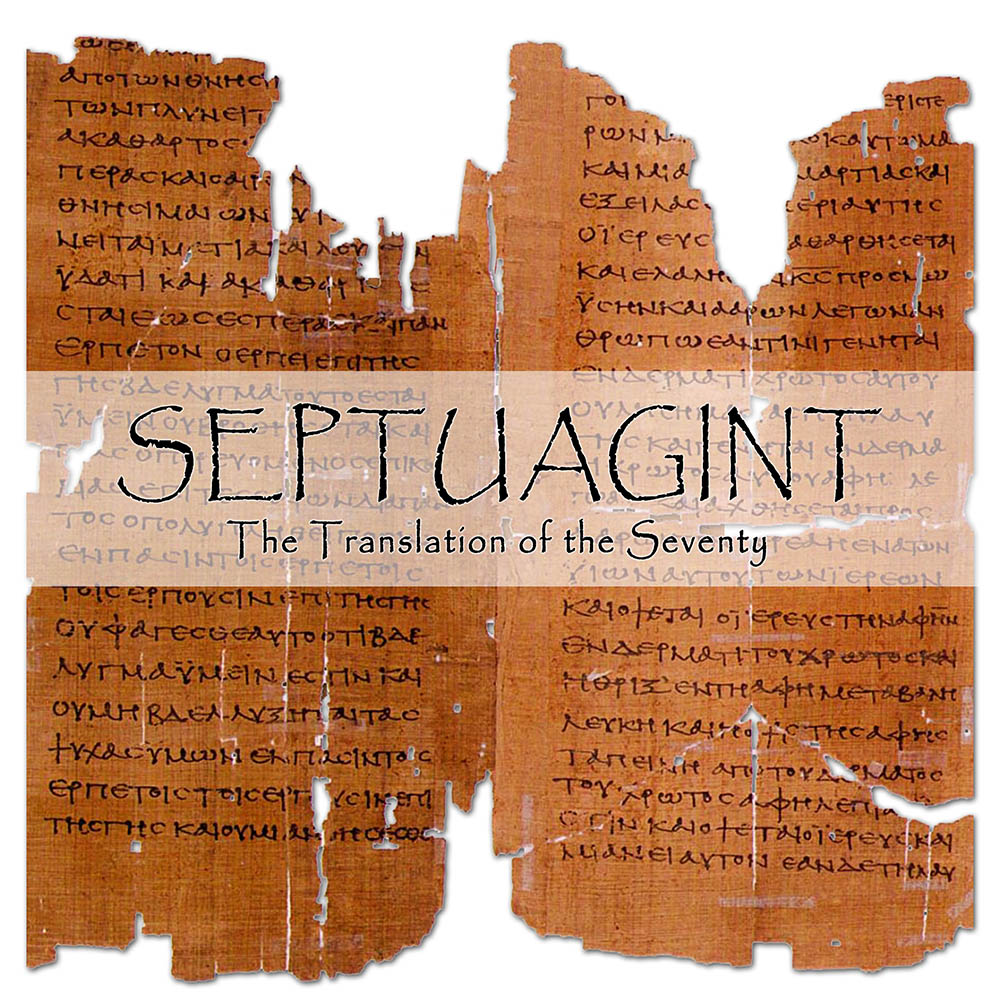
Where does faith intersect with my budget?

Anyone who seeks to gain control over his or her spending usually tries to follow a budget of some sort, but how do we live by faith when using a budget? Budgets should be realistic, or they will be useless. They are designed to help us stay on track with what we decide are our spending priorities. Usually people who are self-disciplined do better with budgeting. Some of us can be very strict in setting spending boundaries and staying within them. Others may have more of a challenge with sticking to a budget and become frustrated. If we are not careful, we can fall into one of two traps. We can become so captive to our own self-imposed spending constraints that it hinders our having faith to be generous when appropriate. The other trap is to fail to bring our spending under some form of discipline, which can result in wasting money for things that don’t truly matter so that we do not have to ability to give to what does matter.

It is important for us to be disciplined with our finances while staying open to God’s leading to be generous beyond our budget. This means we have to learn to live in a dynamic tension between self-control and faith.

We must decide whether we will operate by faith or by human reasoning.

If we can deny ourselves while being generous to others, we probably have become true disciples in the area of money.

Those who believe that tithing (giving 10% to the church where they are committed) is a priority, build that into the budget. Most who successfully tithe make that their first priority and use the remaining 90% for their personal budget. As we covered in a previous installment of this series, the remaining 90% still belongs to the Lord, even though it is still in our hands. 

We are “stewards” or managers of God’s money and are to use it as he sees fit.

If we are going to learn to give generously, it is important to constantly remind ourselves of this fact. Otherwise, we start seeing our money as our own.

If the tithe belongs to the Lord (Lev. 27:30) and is a non-negotiable, offerings are made out of the generosity of our hearts on a free will basis.

There are no “rules” for being generous.

It is based upon our being free in our hearts to respond generously to to genuine needs as the Holy Spirit’s nudges us.

Spirit-directed giving is where love, faith, and good stewardship intersect.

Love and faith take us on a journey beyond the confines of what might be considered prudent budgeting into the seemingly risky realm of obedience to the Lord our Provider.

The Macedonians in Acts pleaded for the privilege of taking this journey. Consider what Paul wrote about the churches in Macedonia.

We want you to know, brothers, about the grace of God that has been given among the churches of Macedonia, 2 for in a severe test of affliction, their abundance of joy and their extreme poverty have overflowed in a wealth of generosity on their part. 3 For they gave according to their means, as I can testify, and beyond their means, of their own accord, 4 begging us earnestly for the favor of taking part in the relief of the saints— 5 and this, not as we expected, but they gave themselves first to the Lord and then by the will of God to us. 2 Corinthians 8:1-5 (ESV) 

It is important to note that their generosity was not prompted by wondering what to do with their excess finances. Quite the opposite, it sprouted in the soil of affliction and extreme poverty. These were people who were not restricted in their giving by their situation. Their faith, coupled with an earnest desire to help others, prompted their generosity, which, according to Paul, proved that they had surrendered everything to Jesus.

I am sure they were not able to give a lot of money, but they gave what they could and beyond. It was an example similar to Jesus’ reference to the “widow’s mite.” (Mark 12:41-44) I wonder how God supplied their need afterward. I cannot imagine that the story ended there. The Lord our Provider probably made some amazing provisions for them in response to their faith!

When we turn over our finances to the Lord, he may ask us to do some things that do not make sense to us and prove challenging, if we still tightly control the purse strings.

Yet we still must acknowledge that God wants us to be wise stewards, too; so, how do we maintain financial prudence while seeking to be led by God’s spirit into generous giving? How do we do both? Depending on our personality, one or the other likely will be more of a challenge to you. If we are more of the generous type, we might find it easy to give but difficult to otherwise restrain our spending. If we are naturally self-controlled, we might find it easier to reign in our spending, but difficult to let go of the money that God wants us to give.

We need God’s help to be faithful in both self-control and generosity.

A good first step is to pray and be open to God’s showing us the truth about our relationship with money. Are we hoarders, spendthrifts, wise managers, generous givers, or somewhere in the middle? We can ask God what steps we need to take to become a surrendered steward of the finances he has put in our hands. We may want others to take a look at our spending and savings in order to offer advice and insights that we might be missing. Unless our finances are in great disarray, (e.g. bankruptcy, huge credit card debt, upside down investments), it is likely we can sort things out ourselves. If we are in trouble, we may need outside help. Regardless, the first step is turning to God in prayer and doing what he shows us.

If we have never been a giver, we can ask the Holy Spirit to teach us.

We should listen to his promptings, without making a religion of rules out of it. Our giving should stay within the realm of our faith and be prompted by our love for God and others, or it will be worthless. (1 Corinthians 13:3) Giving should be freely and joyfully don and not become merely a religious duty.

Remember this—a farmer who plants only a few seeds will get a small crop. But the one who plants generously will get a generous crop. 7  You must each decide in your heart how much to give. And don’t give reluctantly or in response to pressure. “For God loves a person who gives cheerfully.” 8  And God will generously provide all you need. Then you will always have everything you need and plenty left over to share with others. 2 Corinthians 9:6-8 (NLT)

To access the entire series on the Disciple and Money, click here.

Where do I begin?

Here are some principles we can use to begin to make changes regarding how we spend money. We may have little or no “wiggle room” because of debt and and other previous commitments; so, we will need God’s wisdom to extract ourselves from a situation of our own making.

  1. Stop spending more than we make. That’s pretty simple, but not commonly practiced. Thanks to our profligate government’s example, the incessant pull of clever advertising, and because we tend to imitate others, many, if not most of us, spend too much. We cannot dig out of debt and practice godly principles of giving without doing something to cut down on what is going out. This usually means we must take a hard look at the things on which we spend our money. Look for luxuries (sand and water items) that may be consuming too much of our budget. Perhaps the first thing to go should be eating out. This is for you to decide, and it is not an easy task. Be courageous and ruthless. Your financial future could be at stake.
  2. Make a commitment to give to God. Most of us realize that we need God’s help to get out of the mess we created. What better way to demonstrate our faith in God’s ability to help us than to give to his kingdom work and to those in need? Giving does not depend on our having a lot. Jesus commended the widow who gave what little she had. (Mark 12:41-44) Paul commended the Macedonians who gave “out of their poverty.” (2 Corinthians 8:1-3) If we do not prioritize giving, we may not yet have surrendered our finances to God.
  3. Make a commitment to save. Everyone routinely faces big ticket expenses, whether they are medical costs, car repairs, appliance replacements, or home upkeep expenses, not to mention education expenses for our children. Unless we have set aside money to cover these things, every time these expenses arise, we will go further into debt to cover them. Start small if you have to, but over time try to set aside a greater percentage of your income for savings, long and short term. Who knows? You might even be able to take a vacation!
  4. Make a commitment to get out of debt. Now that’s a thought! Americans are taught to stay in debt in order to accumulate all the “stuff” they want. God desires for us to be out of debt, except perhaps for the most necessary items, such as homes, cars, and businesses. A college education that may equip a person to earn a good living might justify an accumulation of debt, as well, but too many graduates take with them massive indebtedness without gaining a marketable skill. This is to be avoided. In every case, however, we must carefully weigh the risks of indebtedness versus the benefits. Debt makes us a “slave” to the lender. It can rob us of having other options later. Unwise debt can lead to financial ruin. Getting out of debt will make a huge difference in our liquidity and financial freedom. By all means, the first debt that needs to go is credit card and other high interest debt. Once that is removed, start on whatever else on on the list. It is usually a good idea to eliminate the smaller debts first, which will give you more money later to tackle the larger ones. To get out of debt, we might have to eliminate some larger items from your jar. Maybe we can sell the house that is too big and expensive and acquire one that we can better afford. Perhaps we need to dispose of a car that costs more than we can afford and buy a more economical one. Getting out of debt is usually a long-term affair that requires sacrifice and commitment, but it will be well worth it.
  5. Live as simply as possible. This one will make you feel as if you are swimming against the tide of our consumerist culture. Simple living results from eliminating the things we don’t really need in order to free up more time and finances for the Lord. Simplicity comes from making a firm commitment to put God and his kingdom first. May God help us all to simplify! When we live this way, we will be able to reduce the number of things that fill our jar, making room for a big priority – the kingdom of God.

Well, there we have it. If we are discouraged by our current situation, whatever that may be, God is able to help us climb out of any financial pit we dug for ourselves! He is the forgiver of debts and our Provider.

The Lord is more than able to help us to become more than conquerors when it comes to financial freedom. But we have to begin somewhere.

To access the entire series on the Disciple and Money, click here.

The Math of Generosity

God loves generosity. He is the greatest giver of all time and eternity. How we handle money reveals a lot about us, especially when it comes to giving. If we have difficulty with being generous, we probably have bigger issues than financial ones.

God’s call to be generous is designed to enlarge our hearts and free us on the inside from the tentacles of greed.

Do we really believe that God is our Provider whose assets are limitless, or do we think that our resources are limited to working only with what we already have? Those who pass this test by trusting that God will abundantly supply everything we need will find out that our generosity opens a floodgate of blessings.

When we cling to what is “ours,” we may end up losing it.

That’s one of the paradoxical principles of God’s money system. However, when we generously give with an attitude of faith and obedience to the Spirit’s promptings, we may be blessed to see God work in unexpected ways.

One gives freely, yet grows all the richer; another withholds what he should give, and only suffers want. 25  Whoever brings blessing will be enriched, and one who waters will himself be watered. Proverbs 11:24-25 (ESV)

It takes faith to give away what it seems that we need for ourselves. God promises to supply our needs, if we trust him as our Provider. Our choice to give generously is evidence that we truly believe this promise. When we give away what we think we need, it shows that we trust God to replace it and give us even more. The key is faith. God wants us to trust him with all our hearts.

The math of generosity requires us to believe that God is not limited by a “closed” system. In a “zero sum” world, there is a limited supply of resources. If we give away what we have, we will have less. But in God’s kingdom the more generous we are, the more we will be blessed.

Give, and you will receive. Your gift will return to you in full—pressed down, shaken together to make room for more, running over, and poured into your lap. The amount you give will determine the amount you get back. Luke 6:38 (NLT) 

Some people have a true gift of giving. They are internally motivated to be generous. Others of us must choose to be generous, especially if we were taught or otherwise learned to hold on to what is “ours.”

Over a Barrel

One way to estimate how generous we are is to look at how in debt we are. Indebtedness can come from various reasons. Sometimes we are overwhelmed by unforeseen circumstances, such as illness, but mostly we get into debt by purchasing beyond our income. We are all prone to do this, but some make a lifestyle of spending beyond their means. This may reveal that we are impatient and lacking faith that God will indeed supply our needs. Being in debt also harms our ability to give generously since much of our income must go to paying off what we owe.

Sometimes the only way to break free into generous giving is to eliminate debt first.

Generosity from Poor People

Surprisingly, perhaps, being poor does not limit our ability to be generous. It is really a matter of the heart. The Macedonian church was very poor but became a biblical model of what it means to be generous. Doesn’t that sound like God?

Out of the most severe trial, their overflowing joy and their extreme poverty welled up in rich generosity. 3  For I testify that they gave as much as they were able, and even beyond their ability. Entirely on their own, 4  they urgently pleaded with us for the privilege of sharing in this service to the saints. 5  And they did not do as we expected, but they gave themselves first to the Lord and then to us in keeping with God's will. 6  So we urged Titus, since he had earlier made a beginning, to bring also to completion this act of grace on your part. 7  But just as you excel in everything--in faith, in speech, in knowledge, in complete earnestness and in your love for us--see that you also excel in this grace of giving. 2 Corinthians 8:2-7 (NIV)

The only way we can give “beyond our ability” is by faith. It means we disregard our current circumstances in order to be generous to others, trusting that God will meet our needs.

Giving by faith starts with first surrendering ourselves, which includes our finances, to God. Once that is done, God can direct how we use our money as he sees fit.

Until that happens, we will self-direct our finances. Paul calls this a “grace of giving.” We should all aspire to excelling in this area.

Remember this: Whoever sows sparingly will also reap sparingly, and whoever sows generously will also reap generously. 7  Each man should give what he has decided in his heart to give, not reluctantly or under compulsion, for God loves a cheerful giver. 2 Corinthians 9:6-7 (NIV)

The math of generosity is simple: the more we give, the more we receive.

Unfortunately, the opposite is also true.

A corollary truth is that only cheerful giving counts for much with God. No one should try to force someone else to be “generous.” That is a contradiction of terms. Our generosity must be a freewill offering to God, or we are missing the point entirely. Even if we believe that God requires us to give, we should ask his help to be joyfully generous and go beyond what is merely expected.

And God is able to make all grace abound to you, so that in all things at all times, having all that you need, you will abound in every good work…  11  You will be made rich in every way so that you can be generous on every occasion, and through us your generosity will result in thanksgiving to God. 2 Corinthians 9:8, 11 (NIV)

The math of generosity teaches us that God increases what the generous giver has so that he will have enough to meet all his own needs plus continue to be generous to others.

In other words, he gives us more than we need as we continue to be generous.

Where Do I Begin?

You may ask, where do I begin?  Do I give to the poor first? Do I give to the church? The Bible exhorts us to be generous to the poor, which includes the promise that the Lord will care for those who care for those who have not.

If you help the poor, you are lending to the LORD— and he will repay you! Proverbs 19:17 (NLT) 

In my next article, I will look at the principle of the tithe. Many believe that this is where we should begin. The important thing is that we depend on the Holy Spirit and the Bible to guide us. The Scripture has much to say about giving to God’s kingdom work being carried out by the church. More on that next time.

To access the entire series on the Disciple and Money, click here.
Share this post...