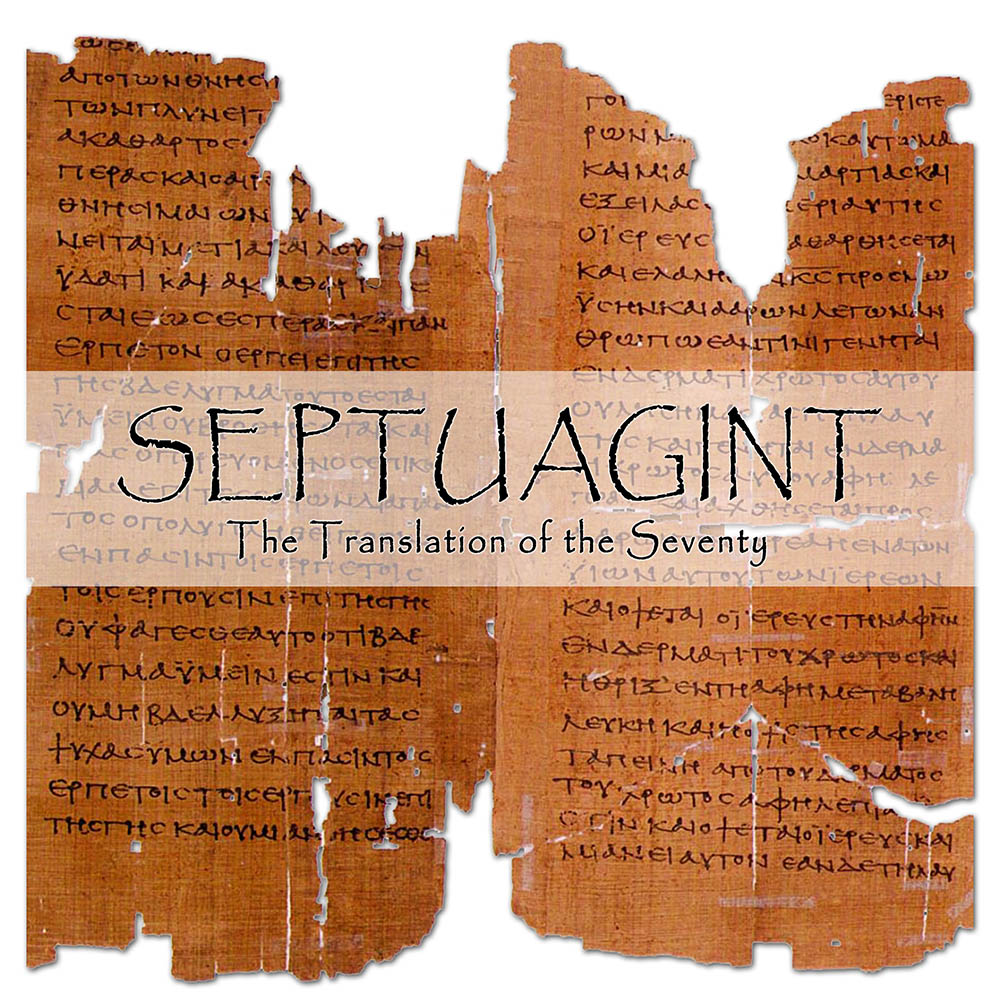
Here is a direct side-by-side comparison of the Masoretic Text with the LXX. I have concluded that the LXX is much to be preferred over the Masoretic Text, a position from which the Eastern Orthodox Church never deviated. Perhaps, if you take the time to read my comparisons and other articles, you will arrive at the same conclusion.
The Septuagint version I am using is the Lexham English Septuagint 2nd Edition, which is available in print or as part of Logos Bible Software. Occasionally I also use the Brenton translation of the LXX for insight into difficult passages.
If you want to know more, click on the following links.
- Why Christians Should Prefer the Septuagint over the Masoretic Text.
- Some Insights Gained through Comparing the Masoretic Text to the Septuagint
- More side by side comparisons of the Masoretic Text (MT) to the Septuagint (LXX).
| Masoretic Text | Septuagint | Significance |
|
11 “On that day I will raise up The tabernacle of David, which has fallen down, And repair its damages; I will raise up its ruins, And rebuild it as in the days of old; 12 That they may possess the remnant of Edom, And all the Gentiles who are called by My name,” Says the LORD who does this thing. Amos 9:11–12 (NKJV) |
11 On that day I will raise (anhistemi) up the tent (skene) of David that has fallen (pipto), and I will rebuild (anoikodemeo) its things that have fallen (pipto), and I will raise (anhistemi) up its things that have been destroyed (katascapto), and I will rebuild (anoikodomeo) it just as the days of eternity (aion), 12 so that the remnant (kataloipos) of the people (anthropos), and all the nations (ethnos) upon whom my name was invoked (epikaleo) upon them, will search (ekzeteo) for me,” says the Lord who is making (poieo) these things. Amos 9:11–12 (LES2) |
The main differences between the MT and LXX in this passage are the following:
James, the Lord’s brother, the overseer of the church in Jerusalem quoted this passage at a conference discussing how the law of Moses would be applied to the Gentiles. 13 And after they had become silent, James answered, saying, “Men and brethren, listen to me: 14 Simon has declared how God at the first visited the Gentiles to take out of them a people for His name. 15 And with this the words of the prophets agree, just as it is written: 16 ‘After this I will return And will rebuild (anoikodemeo) the tabernacle (skene) of David, which has fallen down (pipto); I will rebuild (anoikodemeo) its ruins (katascapto), And I will set it up (anorthoo); 17 So that the rest (kataloipos) of mankind (anthropos) may seek (ekzeteo) the LORD, Even all the Gentiles (ethnos) who are called (epikaleo) by My name, Says the LORD who does (poieo) all these things.’ 18 “Known to God from eternity are all His works. Acts 15:13–18 (NKJV) By carefully comparing the LXX to the NT quote, we see that almost all the words in Greek match. One difference is the verb in the LXX for “rebuild” is “anoikodemeo,” but the NT uses “anorthoo.” James omitted the phrase, “just as in the days of eternity.” As for other minor differences, we need to remember that James was citing the OT text from memory rather than reading from the LXX. James also omits adding “all the nations” after saying that the remnant of mankind will seek the Lord. Taking all of this together, it is clear that James quoted the LXX. It is also clear that the LXX points to Christ and the mystery of the Gentiles’ inclusion in God’s kingdom. |