Jesus’ Resurrection Conquered Death

Jesus’ resurrection conquered death. The gospel message hangs upon one historical event – Christ’s resurrection. Peter was an eyewitness, having been with, touched, and spoken to the risen Jesus.

But God raised Him up again, putting an end to the agony of death, since it was impossible for Him to be held in its power. Acts 2:24 (NASB)

Peter used a mixed metaphor in this verse. The world translated “agony” literally means “birth pangs.” Jesus’ death and resurrection inaugurated the birth of a new generation of people. Those who put their faith in Christ, according to Scripture, are “born again.” Through being “born again,” we become part of a new generation of human beings who are recreated in God’s image and part of his eternal family.

Satan made a major miscalculation when he orchestrated Christ’s crucifixion. His plan was to destroy the Messiah and nullify the promise made to Eve in the Garden that one of her descendants would crush the head of the serpent (Genesis 3:15). The resurrection exposed his folly and fulfilled God’s promise.

Through death and resurrection, Jesus destroyed the power of death and released all believers from its destructive grip.

Therefore, since the children share in flesh and blood, He Himself likewise also partook of the same, that through death He might render powerless him who had the power of death, that is, the devil, 15  and might free those who through fear of death were subject to slavery all their lives. Hebrews 2:14-15 (NASB) 

Those who put their faith and allegiance in the risen Lord may die physically, but never spiritually, and our physical bodies will rise again at Jesus’ return!

Jesus said to her, “I am the resurrection and the life. He who believes in Me, though he may die, he shall live. 26 And whoever lives and believes in Me shall never die. Do you believe this?” John 11:25–26 (NKJV)

God asks us the same question Jesus asked Mary: Do we believe this? If we do, we participate in resurrection life through Christ!

that if you confess with your mouth the Lord Jesus and believe in your heart that God has raised Him from the dead, you will be saved. 10 For with the heart one believes unto righteousness, and with the mouth confession is made unto salvation. Romans 10:9–10 (NKJV)

The Gospel Provides Forgiveness for the Ultimate Betrayal

The gospel provides forgiveness for the ultimate betrayal. Peter told his Jewish audience that they had done the unthinkable – killed their promised Messiah!

But God knew what would happen, and his prearranged plan was carried out when Jesus was betrayed. With the help of lawless Gentiles, you nailed him to a cross and killed him. Acts 2:23 (NLT)

The Jews rejected the messianic claims of God’s only begotten Son and murdered him, just as Jesus had predicted.

But when the vinedressers saw the son, they said among themselves, ‘This is the heir. Come, let us kill him and seize his inheritance.’ 39 So they took him and cast him out of the vineyard and killed him. 40 “Therefore, when the owner of the vineyard comes, what will he do to those vinedressers?” 41 They said to Him, “He will destroy those wicked men miserably, and lease his vineyard to other vinedressers who will render to him the fruits in their seasons.” Matthew 21:38–41 (NKJV)

Peter refused to “sugar coat” this ultimate betrayal. He let the full weight of what they did fall squarely upon their shoulders.

Adam and Eve betrayed their Creator and Friend in the Garden by choosing to follow Satan down in the pursuit of a self-directed life.

Faithlessness and betrayal is at the root of all sin, which found its ultimate expression at the cross. Nothing man will ever do can compare to killing God’s only begotten Son!

When we share the gospel, we should bring our hearers face-to-face with our sin of the betrayal of God’s Son, the Messiah King. Even though we did not personally nail him to the cross. the sin of humanity, Jew and Gentile, through the ages is the reason he sacrificed himself.

The gospel calls us to admit our betrayal and rebellion, ask forgiveness, and declare unqualified allegiance to the risen Messiah King of Israel, Jesus the Lord.

When we confess Jesus as the Lord, the Gospel begins to accomplish its purpose in our lives, converting us from devilish independence to surrender to our Creator-Sustainer-Redeemer. Water baptism, our formal declaration of allegiance to the Lord, is the next step, followed by the baptism in the Spirit and a lifetime of loving and serving the King.

Jesus’ Crucifixion Is God’s Plan to Save the World

Peter declared that Jesus’ crucifixion was God’s master plan of redemption.

But God knew what would happen, and his prearranged plan was carried out when Jesus was betrayed. With the help of lawless Gentiles, you nailed him to a cross and killed him.Acts 2:23 (NLT)

If we read through the gospels, we quickly learn that Jesus firmly believed in God’s sovereignty in all things. He trusted that nothing could or would happen to him outside of his Father’s will. He told his disciples ahead of time that he would be crucified.

“The Father loves me because I sacrifice my life so I may take it back again.18 No one can take my life from me. I sacrifice it voluntarily. For I have the authority to lay it down when I want to and also to take it up again. For this is what my Father has commanded.” John 10:17-18 (NLT) 

When John the Baptist pointed out Jesus among the crowds by the river Jordan, he identified him as the Lamb of God, whose crucifixion and resurrection would take away our sins.

The next day John saw Jesus coming toward him, and said, “Behold! The Lamb of God who takes away the sin of the world! John 1:29 (NKJV)

Jesus is God’s promised solution to our sin problem that condemns all to eternal death. That is sin’s wages Jesus was not some poor itinerant teacher who got caught up in a political power play that he was impotent to stop. He willingly and knowingly went to the cross to pay for our sins. When he rose again, it proved that his heavenly Father accepted his sacrifice on our behalf.

All who believe that and confess that he is the risen Lord will be saved. (Romans 10:9-10)

Healings and Miracles Testify to the Truth of the Gospel

Peter said that Jesus’ miracles proved that he is the Messiah.

People of Israel, listen! God publicly endorsed Jesus the Nazarene by doing powerful miracles, wonders, and signs through him, as you well know.Acts 2:22 (NLT)

Some people discount Jesus’ miracles and relegate them to the realm of mere legend, but the people of that day knew first hand that they were genuine. In fact, Jesus boldly challenged those who doubted his identity as the Messiah to believe in him because of his miracle.

...The proof is the work I do in my Father’s name. John 10:25 (NLT) 

When we share the gospel, we have the opportunity to bring people face to face with Jesus’ miracle working power, which testifies to God’s love and the truth of the gospel. We should stay alert to the Holy Spirit, who may prompt us to pray for those around us.

If we boldly pray for healing and miracles in Jesus’ name, we give the Holy Spirit a chance to demonstrate God’s love and the truth of our message.

Paul understood that God wants the gospel to be our words accompanied by a demonstration of power through the Holy Spirit.

For when we brought you the Good News, it was not only with words but also with power, for the Holy Spirit gave you full assurance that what we said was true... 1 Thessalonians 1:5 (NLT) 

Chapter 94: Leadership in the Local Church

The government of the local church derives from the authority of our Lord Jesus.

For unto us a Child is born, Unto us a Son is given; And the government will be upon His shoulder. And His name will be called Wonderful, Counselor, Mighty God, Everlasting Father, Prince of Peace.  Isaiah 9:6 (NKJV)

God appoints certain individuals to serve as “under-leaders” in the church. To these persons Jesus gives authority that corresponds to their responsibility to shepherd the flock of God.

 Shepherd the flock of God which is among you, serving as overseers, not by compulsion but willingly, not for dishonest gain but eagerly; 3 nor as being lords over those entrusted to you, but being examples to the flock; 4 and when the Chief Shepherd appears, you will receive the crown of glory that does not fade away.  1 Peter 5:2–4 (NKJV)
Elders

When Paul established new churches, one of the foundational things he did was appoint elders to govern them.

So when they had appointed elders in every church, and prayed with fasting, they commended them to the Lord in whom they had believed.  Acts 14:23 (NKJV)

Elders, which generally are older mature brethren who have godly character and wisdom, serve God by caring for God’s flock, the church, and are under the direction of the Great Shepherd, our Lord Jesus, and represent him.

Elders deserve our respect and honor as they fulfill their calling to care for God’s people.

Let the elders who rule well be counted worthy of double honor, especially those who labor in the word and doctrine.  1 Timothy 5:17 (NKJV)

Elders are to be selected from men who have solid character. These qualifications are listed in 1 Timothy 3:1-7 and describe what should be the character of every disciple.

The anointing and authority given to elders and other ministers of the gospel cannot long endure if we are lacking the character to sustain them.

The anointing will destroy us if we do not have adequate strength of character.

It is important to keep in mind that governmental leadership is not the same as ministry excellence. Some people have both, but many of us have only one.

Elders are given governmental responsibility to oversee the local church. These men may not be proficient in pulpit ministry or spiritual gifts but they have a call to oversee and govern the church.

Those who are gifted teachers, prophets, and evangelists may not have governmental oversight responsibilities.

First Among Equals

Among the elders, God usually appoints or brings to the forefront one person to lead the group, a kind of first among equals.

Moses recognized the need for such a leader.

Then Moses spoke to the Lord, saying: 16 “Let the Lord, the God of the spirits of all flesh, set a man over the congregation, 17 who may go out before them and go in before them, who may lead them out and bring them in, that the congregation of the Lord may not be like sheep which have no shepherd.”  Numbers 27:15–17 (NKJV)

God heard Moses’ request and appointed Joshua to fill Moses soon the be vacant responsibility of leading Israel. Moses ordained or commissioned Joshua for this task, thus communicating his authority to him.

You shall put some of your authority on him, in order that all the congregation of the sons of Israel may obey him.  Numbers 27:20 (NASB95)

Without leadership, there often is confusion and perhaps even strife as leaders vie for influence. This leader is often called the “pastor” but may have another primary gifting, such as apostle, prophet, evangelist, or teacher.

Churches led by apostles will often have a world-wide missionary vision. When prophets pastor churches, there is a strong emphasis on holiness and obeying God’s current word to the church. When evangelists “pastor,” the church will have a heavy emphasis on evangelism and outreach. When teachers are the leaders, the church will be well-taught. Pastors will preside over churches in which the people are well-cared for.

Five-fold or ascension gift ministries – apostle, prophet, evangelist, pastor, and teacher – function at both the local level and translocally.

In other words, whereas elders on govern in their own local church, the five-fold ministry can function anywhere.

This leadership team should strive to maintain unity among themselves. This means that ideally there will be consensus in decisions, but we know this is not always possible.

A general rule might be for elders to follow the lead of the “pastor” unless one has a “check” or “red flag” about it.

In those cases, if possible, time should be set aside for seeking the Lord in the hope of reaching consensus. When this is not possible, the lead elder must make a decision, which the others should support.

The Nature of Godly Authority

Elders or under-shepherds carry an authority to build up God’s people rather than “lord it over” them.

I may seem to be boasting too much about the authority given to us by the Lord. But our authority builds you up; it doesn’t tear you down. So I will not be ashamed of using my authority.  2 Corinthians 10:8 (NLT)

God gives his under-leaders “spheres” or areas of authority.

It is important that we stay within these limits and not presume to have authority where God has not given us responsibility.

We will not boast about things done outside our area of authority. We will boast only about what has happened within the boundaries of the work God has given us, which includes our working with you. 14 We are not reaching beyond these boundaries when we claim authority over you, as if we had never visited you. For we were the first to travel all the way to Corinth with the Good News of Christ. 15 Nor do we boast and claim credit for the work someone else has done. Instead, we hope that your faith will grow so that the boundaries of our work among you will be extended.  2 Corinthians 10:13–15 (NLT)

For example, church planters have authority in the churches they plant. Elders have authority in the churches where they reside, but not elsewhere. Husbands have authority in their own families, but not in other men’s families.

In the church, we cannot demand people submit to our authority.

Authority from God must be first recognized and then received by the people, if it is to be effective. Leaders are not supposed to be “heavy handed” in how we handle the flock.

As apostles of Christ we certainly had a right to make some demands of you, but instead we were like children among you. Or we were like a mother feeding and caring for her own children. 8 We loved you so much that we shared with you not only God’s Good News but our own lives, too.  1 Thessalonians 2:7–8 (NLT)

Such godly leaders exercise their authority to protect, lead, feed, and watch over God’s people as a shepherd cares for his sheep.

I am the good shepherd. The good shepherd gives His life for the sheep.  John 10:11 (NKJV)
Mentoring New Leaders

Leaders should make it a priority to develop those in the church who show potential to lead.

This means that those already in leadership will be willing to delegate responsibilities. Delegation means we still have overall responsibility, but we allow those to whom we delegate to devise their own methods to accomplish the task, under whatever level of supervision is appropriate. The greater the proven faithfulness of those to whom we delegate, the greater freedom we can give them. The goal is to develop the people around us to lead.

If we are unwilling for there to be any drop in the kind of excellence we might bring if we were to handle things ourselves, we probably will not be good at delegation. Training leaders requires us to allow those we are developing to grow into their roles over time.

When people in the church understand that making disciples is a priority, it will help them not only to tolerate the drop in excellence when people are first learning, but to cheer on those who are being mentored.

Calling, Vision, or the Burden to Lead

Those who are called and gifted to lead will have a “calling,” “burden,” or “vision” that comes from the Lord that motivates and sustains them.

Nehemiah is a great example of such a leader in the Bible. His heart was gripped by the plight of Jerusalem, whose lack of a protective wall made her defenseless against her enemies. His burden for Jerusalem’s welfare prompted him to ask the king for permission to return to his homeland to reconstruct the wall, which was granted. His single-minded devotion to this purpose gave him determination to see the reconstruction through to the end, despite continuous opposition, harassment, and threats from enemies. He clearly laid out the vision and influenced the people to accept the plan, worked hard to see it implemented, rallied the people when their courage and strength grew weak, rebuked internal enemies, and had the sense to avoid the traps set by external opposition.

Godly leadership, according to Jesus, assumes the role of a servant.

But Jesus called them together and said, “You know that the rulers in this world lord it over their people, and officials flaunt their authority over those under them. 26 But among you it will be different. Whoever wants to be a leader among you must be your servant, 27 and whoever wants to be first among you must become your slave.  Matthew 20:25–27 (NLT)

This creates tension between our understanding of how to fulfill the responsibilities of leading people set against the need to serve them.

The former asks the leader to step to the front and assume command. The latter instructs him or her to get behind or beneath people to push them upward or forward to become all they can be in the Lord. Tension is created between the leader’s courage and responsibility to tell people what God wants them to do and their need to have the humility to listen and help those who are hurting and stumbling along the path.

Perhaps the shepherd best describes this sort of leader.

It is no wonder that most who lead churches today are called pastor, another word for shepherd. Jesus was and is the greatest leader of all time. He is the Lord of lords, but he also humbled himself to serve all the way to dying on the cross.

Though he was God, he did not think of equality with God as something to cling to. 7 Instead, he gave up his divine privileges; he took the humble position of a slave and was born as a human being. When he appeared in human form, 8 he humbled himself in obedience to God and died a criminal’s death on a cross. 9 Therefore, God elevated him to the place of highest honor and gave him the name above all other names, 10 that at the name of Jesus every knee should bow, in heaven and on earth and under the earth, 11 and every tongue declare that Jesus Christ is Lord, to the glory of God the Father.  Philippians 2:6–11 (NLT) 

Leadership is listed as one of the motivational gifts, meaning that it is placed in us by God.

Having then gifts differing according to the grace that is given to us, let us use them: if prophecy, let us prophesy in proportion to our faith; 7 or ministry, let us use it in our ministering; he who teaches, in teaching; 8 he who exhorts, in exhortation; he who gives, with liberality; he who leads, with diligence; he who shows mercy, with cheerfulness.  Romans 12:6–8 (NKJV)

Some people with dominant personalities are what might be called “born leaders.” Others, who are less dominant by nature, are also called by God and must learn how to lead along the way.

No matter which type we may be, if we are called to lead, we all need the Lord’s help because God’s way of leading differs dramatically from the world’s.

Dominant leaders must learn to serve and lead with humility, while deferring to the Holy Spirit. Those with less dominant personalities must learn how to step forward when they might rather stay in the background.

Moses is a great example of the latter sort of personality. He argued with God that he was not a fit leader to the point that God became angry with him. Before his time as leader of Israel was complete, however, he had become too self-confident, which cost him dearly. King David had a more dominant personality. He learned to submit decisions to God. When he did not, it usually got him into trouble.

God wants us to replace self-confidence, or the lack thereof, with God-confidence.

Some Desired Character Qualities of Leaders

Paul wrote that leaders must be diligent. (Romans 12:8) The Greek word spoude means to be earnest in promoting, accomplishing, or striving after something. God does not want anyone to be lazy or apathetic and certainly does not want leaders to behave like this.

Courage is another asset that leaders need. Sometimes we must stand for truth and God’s will when it is unpopular. We will also have to stand firm against those who resist or undermine our leadership or seek to manipulate us into following them instead of God.

Patience is another key character quality that good leaders need. Moses lost patience with the Israelites, and, in his anger, he misrepresented God to the people. This cost him by keeping him out of the promised land. (By the way, Moses represented the Law, which can never lead us into the promises. Only Jesus, (Joshua) can do that.)

Every leader needs keen discernment from God’s Spirit, which is an aspect of wisdom. Wisdom is knowing what to do and when. God wants every disciple to continue to develop the fruit of the Spirit, especially leaders who are out in front for everyone to see.

A Table Has Four Legs

Those who have leadership responsibility must rely on their God-given ability to lead, believing that God will show them what to do, the right way to do it, using the right people, at the right time.

God’s will might be thought of as a table with four legs.

Each leg is important to keep the table upright. These legs are God’s right thing, his right way, his right people, and his right timing. If one is missing, everything can be messed up.

For example, God told Abraham that his right thing was for him to have a natural born son. Abraham got tired of waiting and supposed that God wanted to have this son through Sarah’s servant, which led to the birth of Ishmael, whose descendants have been age old enemies of Israel. God’s right way was to use the right person, Sarah, at the perfect time, which came later. Isaac was the result of all four legs of the table being in place.

The Relationship between Government and Prophetic Ministry

Many local churches have prophetic people who are able to discern God’s will, which is the right thing. Often, they see what God wants to do far ahead of when he plans to do it so that prayer can be made to usher it in. If the prophet sees or announces God’s plan, it might be assumed that it is also the right time, which may not be the case at all.

God will not usually tell leaders the plan until it is the time for it to happen because they would probably mess it up by trying to make it happen too soon.

Prophetic people may become disgruntled with those in leadership because they do not think that they are adequately “hearing the Lord.” Leadership may become frustrated or intimidated by prophetic people because they do not seem to be hearing from God as do the prophets. If they dismiss or surrender their leadership responsibility to the prophetic, it will hurt teamwork. Both must appreciate what the other has to offer. The leaders should listen to the prophetic and then take it to God for his instruction and guidance. Prophetic people should communicate with leaders and leave things in God’s and the leaders’ hands.

The Role of Translocal Ministry in the Local Church

Local churches can benefit from trusted outside input or oversight. As mentioned before, the five-fold ministry can be thought of as being a gift to local churches to help them get started, mature, and handle serious situations that may arise. A wise eldership will invite translocal ministries to speak and interact with the leadership and people. It is a rare thing for a local church to have all five of these ministries present, but all are needed to help an assembly grow to maturity.

Over time, it is hoped that trust can be built between these ministries and the local eldership. Such trust will allow the eldership to turn to them for help on any serious issue that may arise.

Translocal ministries have an authority from Christ to minister and act governmentally, but their authority should always be submitted to the overseeing eldership of a local assembly.

If the eldership is fractured, this presents a more serious problem that might require five-fold ministers to exercise greater authority until the situation is rectified.

On a more positive note, we sheep are admonished to obey those whose responsibility it is to govern us.

Obey those who rule over you, and be submissive, for they watch out for your souls, as those who must give account. Let them do so with joy and not with grief, for that would be unprofitable for you.  Hebrews 13:17 (NKJV)


Click here to see all the articles in this series.

God is a real person who communicates with us.

God is a real person who communicates with people whose hearts are open to him. Peter quoted the prophet Joel (Joel 2:32) in the following part of his gospel proclamation on Pentecost.

But everyone who calls on the name of the LORD will be saved. Acts 2:21 (NLT)

What exactly does it mean to “call on the name of the Lord”?

The Star Wars movie series presents God in an Eastern religion way as an impersonal “force” that can be tapped into by those who have knowledge. The God of the Bible, the true God, is a real Person. Not a human, but a person. Humans are created in his image. We have personality because that is an important aspect of God’s being. Personalities can think and communicate.

God has no problem at all in communicating with us. When we seek him, he tells us that we will find him.

Calling upon the Lord means we pray or speak to him as a genuine personality who listens to us and will respond. Jeremiah the prophet wrote:

Then you will call upon me and come and pray to me, and I will hear you. 13  You will seek me and find me, when you seek me with all your heart. Jeremiah 29:12-13 (ESV) 

When we share the gospel, we should encourage our hearers to engage Jesus on a personal level by “calling” to him in prayer. We have the sure promise that he will allow us to find him when we seek him with all our hearts.

Chapter 93: The Spirit-Led Church

Teaching disciples how to partner with the Holy Spirit in ministry is one of the most important parts of the disciple-making process.

During the forty days after his resurrection, Jesus told his disciples to wait in Jerusalem for the promised outpouring of his Spirit.

But you will receive power when the Holy Spirit comes upon you. And you will be my witnesses, telling people about me everywhere—in Jerusalem, throughout Judea, in Samaria, and to the ends of the earth.” Acts 1:8 (NLT) 

After Jesus ascended to heaven, he poured out his Spirit upon the church on Pentecost to launch the church age, initiate the Great Commission, and to fulfill his promise to empower his disciples to be his witnesses.

This Jesus God has raised up, of which we are all witnesses. 33 Therefore being exalted to the right hand of God, and having received from the Father the promise of the Holy Spirit, He poured out this which you now see and hear.  Acts 2:32–33 (NKJV)

Jesus, the Word of God in human form, God’s own Son, partnered with the Holy Spirit to carry out his ministry.

The Spirit of the LORD is upon me, for he has anointed me to bring Good News to the poor. He has sent me to proclaim that captives will be released, that the blind will see, that the oppressed will be set free, Luke 4:18 (NLT) 

Jesus demonstrated what it looks like to work in harmony with God’s Spirit.

So Jesus explained, “I tell you the truth, the Son can do nothing by himself. He does only what he sees the Father doing. Whatever the Father does, the Son also does. John 5:19 (NLT) 

If God’s only begotten Son depended on the Spirit to carry out his assignment, how much more do we need the Holy Spirit’s guidance and power to represent Christ and fulfill the Great Commission!

The Bible teaches that all believers live or abide in God’s Spirit.

Do you not know that you are the temple of God and that the Spirit of God dwells in you?  1 Corinthians 3:16 (NKJV)

However, it is one thing to live in the Spirit and quite another to “walk” in step with the Spirit.

Since we are living by the Spirit, let us follow the Spirit’s leading in every part of our lives.  Galatians 5:25 (NLT)

The Holy Spirit lives inside every born-again person. It is important that we gain confidence in this enormous truth, which will enable us to trust in God’s transforming power within. When it comes to ministry, however, we must learn how to partner with him. Many people call this having God’s “anointing,” which simply means that the Holy Spirit is “upon” us in a tangible way.

The baptism in the Spirit is a gateway to effective empowerment for ministry.

(I cover this in other lessons in this series.) Once we receive the baptism in the Spirit, with the evidence of speaking in tongues, we need a daily refilling of the Spirit, because, as someone once said, we leak.

Don’t be drunk with wine, because that will ruin your life. Instead, be filled with the Holy Spirit, 19  singing psalms and hymns and spiritual songs among yourselves, and making music to the Lord in your hearts. 20  And give thanks for everything to God the Father in the name of our Lord Jesus Christ. Ephesians 5:18-20 (NLT) 

This refilling is available to us via a daily engagement with the Spirit in worship, thanksgiving, and prayer, which ideally should include times of simply listening. The Bible calls this “waiting on God.”

Wait on the Lord; Be of good courage, And He shall strengthen your heart; Wait, I say, on the Lord!  Psalm 27:14 (NKJV)

The Bible and the Spirit always agree. They speak with one voice. The Spirit wants us to be continually alert. We never know when and how he will speak to us. Sometimes it happens as we worship, read the Bible, and pray. It could happen in our sleep through a dream, or as we contemplate. It takes practice to discern his voice. He wants us to get very good at it.

Jesus promised us that his “sheep” can and do hear his voice.

My sheep hear My voice, and I know them, and they follow Me.  John 10:27 (NKJV)

He wants us to believe this is the truth, even if we have not been able to properly hear him speak yet.

The Holy Spirit is our interface with God.

All followers of Christ can hear and communicate with God, but many do not know how or even believe they can. The Spirit will speak to us as we read and meditate on the scriptures. We can “hear” him in our own thoughts and heart, too. Sometimes his voice is so “quiet” that we must get quiet to discern it.

And after the earthquake there was a fire, but the Lord was not in the fire. And after the fire there was the sound of a gentle whisper. 13 When Elijah heard it, he wrapped his face in his cloak and went out and stood at the entrance of the cave. And a voice said, “What are you doing here, Elijah?”  1 Kings 19:12–13 (NLT)

At other times he breaks through unmistakably with a clear message.

When we are first learning how to detect his voice, we will probably need help from more seasoned disciples who can act as a “sounding board” for us to ask feedback on what we think God is telling us.

God is willing to work with us to give us more confidence that what we discern is indeed his voice. This happens when we are willing to “take a chance” and step out in faith.

He can and does speak to us through other people in sermons, counseling, and simple conversation, but it always takes practice to discern God’s will.

There is much more we would like to say about this, but it is difficult to explain, especially since you are spiritually dull and don’t seem to listen. 12 You have been believers so long now that you ought to be teaching others. Instead, you need someone to teach you again the basic things about God’s word. You are like babies who need milk and cannot eat solid food. 13 For someone who lives on milk is still an infant and doesn’t know how to do what is right. 14 Solid food is for those who are mature, who through training have the skill to recognize the difference between right and wrong.  Hebrews 5:11–14 (NLT)

Lastly, circumstances can indicate what God is saying, but this too must be properly discerned. Sometimes we must press forward despite adverse circumstances. At other times, we should realize that God is closing a door. Once again, we may need to ask for help in discerning what God is saying. We can trust the Lord to make it plain to us and others.

Once we begin to discern what the Holy Spirit is saying to us, the next step is to gain confidence so that we can routinely and instantly obey his gentle promptings.

When we hear God, but disobey, it hinders our ability to hear, at least in the short run. As Henry Blackaby taught in his groundbreaking series, Experiencing God, when God speaks, it places us in a crisis of belief. Are we willing to make the necessary adjustments to overcome our fear and resistance to obey him?

Once we gain faith and experience in hearing and obeying the Holy Spirit, God wants us to develop proficiency in how to operate in the gifts of the Spirit.

Jesus’ ministry would have been very different had he not done this on a regular basis.

The gifts of the Spirit are provided to bless others and open their hearts to the Jesus and the gospel. For the uninitiated, operating in the gifts can be daunting, but it is not much different from learning to hear his voice. Once we discern God’s voice, it seamlessly transitions to operating in the gifts of the Spirit. In fact, we may discover that the Spirit of God has long been prompting us in the prophetic realm without our being aware. Once we become active partners, we might be surprised how fast he can develop us, but it requires faith and courage.

In conclusion, a huge part of the disciple-making process is to teach followers of Christ how to hear, obey, and partner with the Holy Spirit in every aspect of life, including ministry and the fulfillment of the Great Commission.

Click here to see all the articles in this series.

2025 Challenge: Declare Allegiance to Every Word of God

We enter the new year with great expectations of what God will do and concern regarding what Satan and his cohorts will try to pull off. Wherever God is at work, there is warfare and confusion caused by our archenemy, the accuser of the brethren and deceiver of the world. Thankfully, God has already won.

While we await the return of our Lord, we must never forget that Satan’s primary objective is to destroy our allegiance to God and his Word.

Jesus warned us that he will judge us in this area.

For whoever is ashamed of Me and My words, of him the Son of Man will be ashamed when He comes in His own glory, and in His Father’s, and of the holy angels. Luke 9:26 (NKJV)

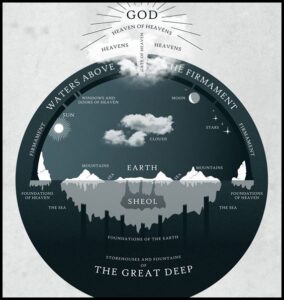
What does it mean to be ashamed of Jesus’ words. In 2024 I gained a deeper understanding of that. I discovered that many of us who call ourselves Christians are ashamed of what the Bible teaches about the creation and nature of the heavens and earth. We try to avoid embarrassment by contorting Scripture to make it conform to generally accepted astrophysics. We may even convince ourselves that we are being honest when we do this, but the Lord is not fooled.

It is not enough to simply believe “in” Jesus. Even the devil does that. The real test is whether we will believe and live by his words, or just pay them lip service.

Our Lord knew that his purpose for coming to earth was to die for our sins and rise again after three days as the Lord of Lords to restore mankind and the Creation back to his Father. How did he know this? He relied completely upon was what is written in the Bible.

Jesus had absolute confidence in the truthfulness of God’s Word – all of it. He taught that it cannot be “broken.” (John 10:35)

Leading up to his death, he told his disciples that everything would happen to him as was written.

Then He took the twelve aside and said to them, “Behold, we are going up to Jerusalem, and all things that are written by the prophets concerning the Son of Man will be accomplished. Luke 18:31 (NKJV)

As he hung upon the cross, enduring the mockery and taunts of his enemies and the excruciating pain of crucifixion, feeling his life blood drain away, he clung to God’s promises in the Bible. Our Lord “risked” his life, ministry, reputation, and eternity – everything – on the truthfulness of God’s Word. He asks us to do the same.

As the “second Adam,” the progenitor of a new edition of humanity, Jesus passed the test the first man and woman failed: he rejected the lure of Satan’s lies and gave full allegiance to God and his Word.

After he rose from the dead, he appeared to two discouraged disciples on the road to Emmaus and gently rebuked their despondency, indicating that it was rooted in their failure to believe the Word of God.

Then He said to them, “O foolish ones, and slow of heart to believe in all that the prophets have spoken! 26 Ought not the Christ to have suffered these things and to enter into His glory?” 27 And beginning at Moses and all the Prophets, He expounded to them in all the Scriptures the things concerning Himself. Luke 24:25–27 (NKJV)

Faith resides in the heart. It surpasses what the intellect can comprehend. Only those whose hearts are open are able to receive and believe God’s words. To everyone else, the written Word seems to be foolish. (1 Corinthians 1:21-23)

I am convinced that the Holy Spirit is challenging us today to lay aside our fears and embarrassment and show loyalty to every single word of God.

Jesus gained victory over Satan’s temptations by quoting the following important verse.

But Jesus answered him, saying, “It is written, ‘Man shall not live by bread alone, but by every word of God.’ ” Luke 4:4 (NKJV)

We are not allowed to pick and choose which words of the Bible we are going to believe. We either believe all of it, or everything in the Bible comes into question.

The Lord warned us against invalidating God’s written word with our man-made traditions. 

Then he said, “You skillfully sidestep God’s law in order to hold on to your own tradition. ...13 And so you cancel the word of God in order to hand down your own tradition. And this is only one example among many others.” Mark 7:9,13 (NLT)

We may be guilty of placing men’s traditions ahead of the Word of God in more areas than just religious matters.

Anything that is handed down from one generation to the next that contradicts God’s Word is an anti-God tradition of men.

For example, when Charles Darwin proposed his anti-biblical theory of biological evolution in the 1800’s, many in the church stood firm against that lie that all living beings self-generated out of inanimate matter over eons of time, which was also an assault on the Bible’s young earth timeline. As the years passed, however, despite its never having been proven and its violating proven scientific laws, such as entropy, the deception has grown and is endlessly propagandized by leading scientists, educators, and media pundits. Our children are thoroughly brainwashed into this false narrative by the public school system.

It should be clear to us who adhere to the Bible that the purpose of the lie of biological evolution is to obscure God and his glory as Creator. Those who deny God and antagonistically suppress the truth of creation jumped on the evolution train, seeing it as the vehicle that would carry atheism to new levels of acceptance, and they were right. This unproven anti-biblical theory is now taught as fact and believed by countless millions all over the earth.

In addition, even Christians have accepted the more foundational lie that the Bible is not a good source for scientific truth, only religious principles.

In other words, they say that God’s Word is purely subjective and unprovable, unlike what is called “science.” The irony is breathtaking: it is impossible to prove evolution, but it is accepted without question. It has become a religion, which must be believed in order to progress in the secular world. This is the power of the lie. Anything that helps people deny God’s existence and rule is gleefully accepted and mandated. Bible-believing Christians are often labeled as ignorant rubes, if we do not go along with the deception.

Many who call themselves followers of Christ, only God knows the heart, cave to the lie and reinterpret the Bible through the lens of biological evolution, denying the clear teaching of literal days and nights in Genesis in favor of indefinable eons of time. When we do this, we elevate man’s opinions of what is falsely called “science” above the God’s inerrant Word in the Bible.

This is the sin of negating the Bible for the sake of a tradition of men.

When we do this, we invent ways to confuse what before had been quite clear and twist Bible truth into a satanic lie.

The devil has not changed his tactics. He still manipulates us the way he did Eve by making us feel stupid for accepting what God says, instead of trying to figure out things for ourselves or going along with the wisdom of men.

Thankfully, I am part of a group of Christians who reject Darwin’s evolutionary narrative of the origin of life. We have come down on the side of the Word of God on this matter. However, to my great disappointment, some of us still embrace other elements of evolutionary thought.

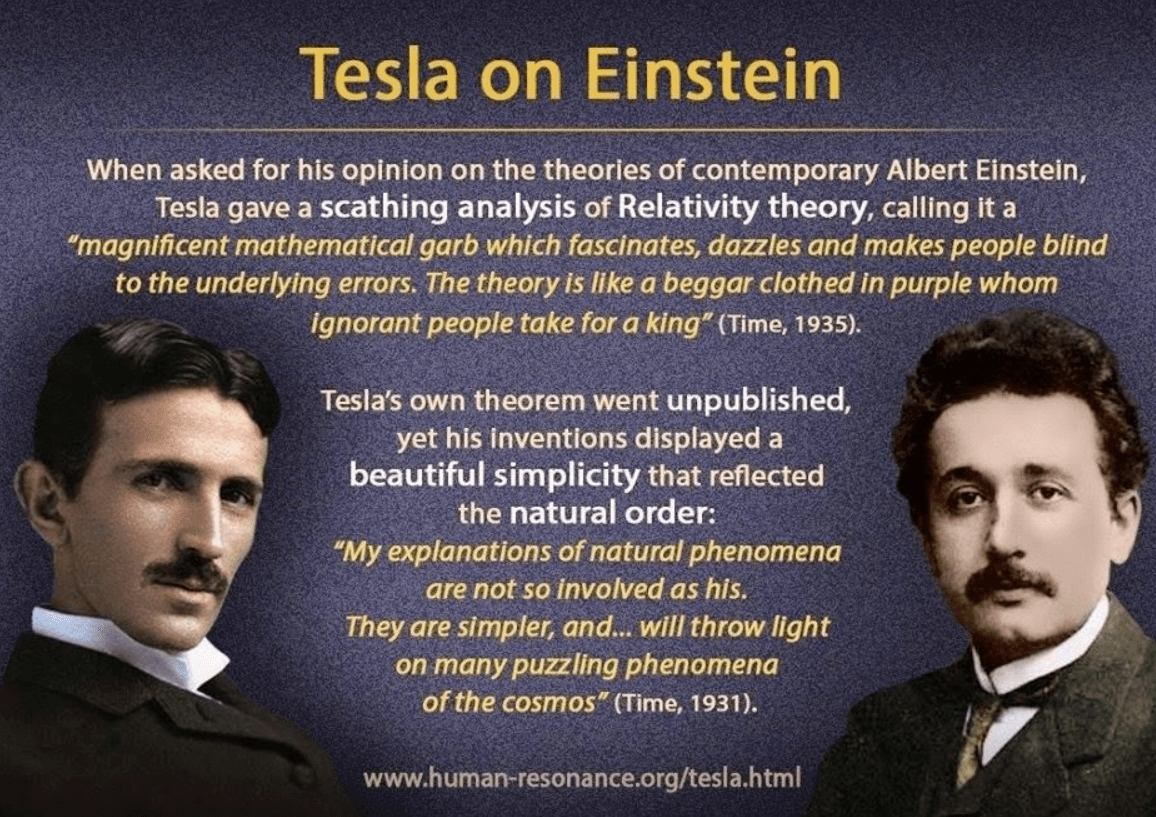
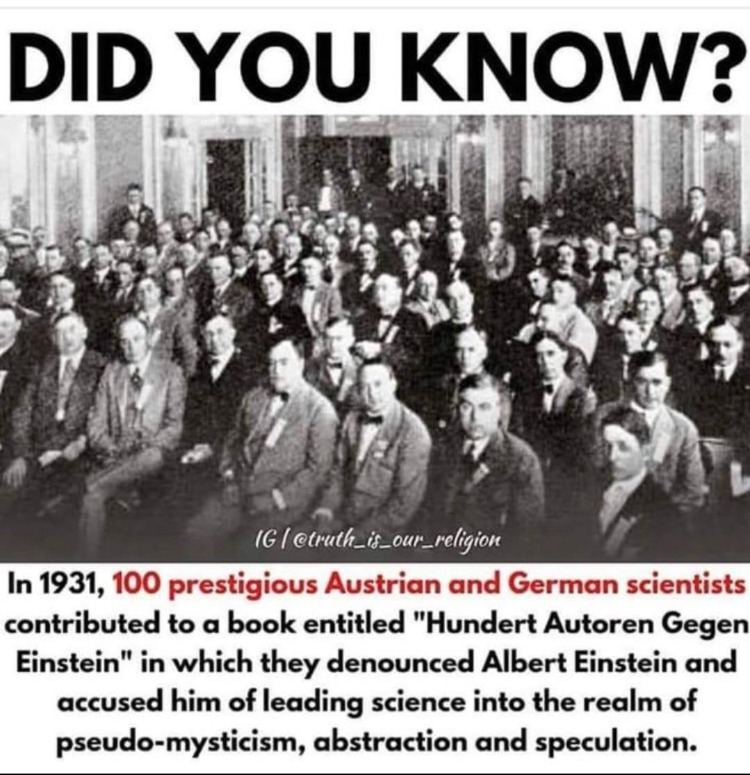
It is fashionable today, even among some of those who confidently reject biological evolution, to compromise the biblical account of creation in favor of widely accepted evolutionary cosmological theories of the origin and design of the heavens and earth, such as the Big Bang theory.

Recently I was conversing with a fellow believer who said he believes in the Big Bang theory, which completely contradicts Genesis One. (I have written more about this elsewhere.) I responded that I do not believe in the Big Bang, but we did not have time to talk further. Hopefully we can discuss this in the future so I can better understand how he justifies rejecting the Genesis One account of creation.

Many of us have abandoned the Word of God and surrendered our minds and hearts to unproven and anti-biblical cosmological theories without flinching.

We use such excuses as that the writers of the Bible were “pre-scientific” and did not understand how things really work to justify our disloyalty to the Bible. We try to justify our abandonment of the Word of God by saying that the biblical authors described events as they observed and understood them (phenomenologically), rather than as they really were (“scientifically”). If this way of handling the scriptures is valid, then how do we know if anything in the Bible is actually true? Perhaps the resurrection did not really happen either, but was just an unscientific attempt to describe what the authors of the gospels did not scientifically understand. I trust we can all see the fallacy of this line of thought.

Either God spoke the truth about the origin and nature of the cosmos in Genesis and elsewhere in the Bible, or everything in the Bible is called into question. And this is exactly the direction Satan wants lead us. He knows that rejecting Genesis One opens the door to rejecting the entire Bible and God.

Maybe those of us who already believe that Jesus is Lord can juggle these inconsistencies somehow, but those who listen to the church’s arguments against believing the Genesis One account understand that such a position invalidates the Bible and the gospel. This is a great evil in which I too unwittingly participated for many years. I have repented and write this in the hope of helping others see the light.

Deception is getting more pervasive and harder to detect, requiring us to completely rely upon the truth of God’s written Word and the ministry of the Holy Spirit.

Taking a stand for biblical truth brings honor and glory to God and protects us from being swept away by satanic lies.

I believe that taking God at his word regarding the creation and nature of the heavens and earth is going to be critical now and in the future as more and more emphasis likely will be put on the reality of aliens from what is called outer space.

I cannot predict the future, but I think it is likely that the powers that be will tell the world that space aliens do indeed exist and have been in contact with us for a long time. Their supposed “proven” existence will provide the devil with yet another argument against the Bible, which will fool many. The deception even may include a pretended invasion by these supposed extraterrestrials. Hollywood has been preparing us to accept this scenario for decades. If this happens, and I hope it does not, Christians who believe the Bible’s account of the heavens and earth will not be deceived like the rest of the world. We know that there are no such alien beings, but only demons or other known entities posing as a such. We will know not to bow to anyone or anything, demon or human, that purports to be our savior or lord. No antichrist will be able to steal our hearts. We will only bow the knee to the one and only Lord Jesus, the King of Kings!

For false messiahs and false prophets will rise up and perform great signs and wonders so as to deceive, if possible, even God’s chosen ones. 25 See, I have warned you about this ahead of time. Matthew 24:24–25 (NLT)

We cannot say that we were not warned.

 
If you want to read more of my articles on Biblical Cosmology, click here.

Suffering, the Gateway to Glory

No one wants to suffer. Normal people do not wish anyone else to go through suffering either. For us who believe the Bible, we understand that suffering is a result of sin and the devil’s activity. Those who do not believe the Bible sometimes think that the presence of suffering in the world proves that God either does not exist, is not in control, or is not loving. What relationship does God want us to have with suffering? Can anything good come from it? Should it be avoided at all costs or embraced when it comes our way?

The first coming of Jesus ignited a firestorm of suffering.

God in human form arrived on earth as a baby to initiate a direct frontal assault against the kingdom of darkness. Although only God fully understood the scope and significance of Jesus’ birth, Satan knew that his advent spelled doom for him.

In fulfillment of prophecy, God used an apparently insignificant young virgin to give birth to his Son, the eternal Logos or Word. Mary suffered through being misunderstood and misjudged. She was considered to be an immoral woman by her future husband and her neighbors. Joseph probably heard jokes or insults regarding the “bastard” son conceived by the woman who apparently stepped out on him. Jesus knew what it meant to be considered “illegitimate.” Why would God require these obedient servants to be so misunderstood and maligned? This is part of the mystery that surrounds suffering.

He used a Roman census to bring Mary and Joseph to the prophesied birthplace in Bethlehem. Everything was done in keeping with God’s previous promises and plan. Jesus was born without notice or fanfare in a humble stable. Only Mary and Joseph, the angels, and some shepherds knew what happened, and even they only had a glimmer of understanding. Whereas the Jewish leaders and biblical scholars were oblivious to his arrival, foreign dignitaries called magi knew about him, came to worship him, and honored him by giving him their treasures. God always has those to whom he reveals his secrets.

The evil powers arrayed against God’s kingdom were not about to give safe passage to the promised Messiah, who posed a direct threat to their long standing reign on the earth. As soon as they discovered what happened, a vicious retaliation was made that brought lots of other “uninvolved” people into the ever expanding ring of suffering. After Herod ascertained the approximate time of the Messiah’s birth from the magi, he dispatched soldiers to put to death every male child two years old and younger who lived in the vicinity of Bethlehem, thinking he would rid himself of this threat to his power. Innocent children died because Jesus was born. Families encountered the almost unimaginable grief of watching their precious children butchered in their presence. Why did God allow this? Why were so many affected by the Savior’s birth?

Warfare always brings suffering, which usually extends to noncombatants. Why should we expect anything different in the epic struggle between the kingdom of God and the kingdom of darkness?

Everyone who was and is touched personally by the birth, life, death, and resurrection of Jesus suffered or suffers in some capacity as a consequence.

Mary was warned by a prophet named Simeon that she would suffer on account of her son.

Then Simeon blessed them, and said to Mary His mother, “Behold, this Child is destined for the fall and rising of many in Israel, and for a sign which will be spoken against 35 (yes, a sword will pierce through your own soul also), that the thoughts of many hearts may be revealed.” Luke 2:34–35 (NKJV)

She must have recounted that prophecy as she watched Jesus die on the cross. The disciples all suffered on account of their association with Jesus and their fearless preaching of the gospel. Paul in particular was informed from the start of his discipleship journey that he would suffer greatly for the sake of the God’s kingdom. Do you suppose Jesus ever felt pangs of guilt because so many had to suffer on account of him?

Jesus did not apologize that following him puts us on a collision course with suffering.

Jesus warns his followers that we will have tribulation, but to fear not.

These things I have spoken to you, that in Me you may have peace. In the world you will have tribulation; but be of good cheer, I have overcome the world.” John 16:33 (NKJV)

Paul wrote that through much tribulation we will enter God’s kingdom.

...they strengthened the believers. They encouraged them to continue in the faith, reminding them that we must suffer many hardships to enter the Kingdom of God. Acts 14:22 (NLT)

Where the kingdom is advancing, there is always warfare, and warfare always brings suffering.

Today it is good to be reminded that serving our Lord always comes at a cost.

And if you do not carry your own cross and follow me, you cannot be my disciple. Luke 14:27 (NLT)

Let us take stock of our own journey with the Lord. What cost have we paid thus far? Is there any sign that we are involved in the warfare that is always associated with the advance of God’s kingdom? If not, let us wonder why, and consider the words of Paul.

Yes, and everyone who wants to live a godly life in Christ Jesus will suffer persecution. 2 Timothy 3:12 (NLT)

Jesus knows that those who choose to follow him will suffer, but he is not embarrassed by this nor does he feel guilty.

Suffering is the threshold through which we enter God’s glory.

Then Jesus said to them, “You foolish people! You find it so hard to believe all that the prophets wrote in the Scriptures. 26 Wasn’t it clearly predicted that the Messiah would have to suffer all these things before entering his glory?” 27 Then Jesus took them through the writings of Moses and all the prophets, explaining from all the Scriptures the things concerning himself. Luke 24:25-27 (NLT)

Many believers today have been insulated from suffering to a large degree. However, we must prepare for the distinct possibility of encountering significant persecution. Paul’s words to the church in Thessalonica are true for us today.

...But you know that we are destined for such troubles. 4  Even while we were with you, we warned you that troubles would soon come—and they did, as you well know. 1 Thessalonians 3:3-4 (NLT)  

When persecution and suffering engulf the church, it always means that Satan is being threatened by the advance of God’s kingdom.

He will respond the only way he knows, by killing, stealing, and destroying. We will trust God to give us the strength to endure, knowing that Jesus suffered, too, and that suffering is the gateway to glory. As Paul wrote so long ago…

And since we are his children, we are his heirs. In fact, together with Christ we are heirs of God’s glory. But if we are to share his glory, we must also share his suffering. Romans 8:17 (NLT)

What do we do when we are unsure of our next move?

One of the most difficult and challenging times is when we are not sure of what to do next.

Because of Adam’s sin of partaking from the tree of the knowledge of good and evil, we have an almost insatiable desire for knowledge. When confronted with an important choice in life, we want to know what to do. Not knowing creates a sense of angst inside us. Some turn to illicit means of gaining such knowledge, such as the occult. Because God was silent, King Saul turned to a medium on the eve of an important battle with the Philistine army to try to find out information God was hiding from him (1 Samuel 28). What should we do is such a situation?

God created us to rely him for everything. He is our Creator and Sustainer. Every breath we take is a gift. Without his continual upholding of our lives, we would fall dead.

And He is the radiance of His glory and the exact representation of His nature, and upholds all things by the word of His power... Hebrews 1:3a (NASB95)

This does not mean that he wishes to keep us in an immature state, like a baby needing help all the time. Rather, God wants us to learn to trust him in an ever greater way to accomplish what would otherwise be impossible for us.

The devil tries to make us feel stupid and incomplete because we do not know everything. He tempts us to pridefully rebel against our God-given need to rely on the Lord. He used this successfully against Adam and Eve in the garden; so, we should not take this temptation lightly.

God did not create us as stupid beings, but he did limit our ability to know. Not knowing is part of the reason we are so dependent upon him.

The quest to be and act independently from God is a root behind all sin.

Jesus gave us the perfect example of God-dependent living.

He only did what he saw the Father doing (John 5:19) and spoke what he heard the Father saying (John 12:50). As a result of his perfect obedience to God, Jesus was completely free. Freedom is not doing what we please. Rather, it is pleasing God. Sin enslaves; whereas, God’s Spirit liberates.

Eve disobeyed God in a quest to know forbidden things. God asks us to trust him without having have all the information that we might desire. The Lord simply wants us to trust and obey. God tells us what we need to know at just the right time. Otherwise, we rest in the confidence that God knows all things and sovereignly oversees our destinies.

In God’s economy, faith in God’s faithfulness is more important than having knowledge.

But without faith it is impossible to please Him, for he who comes to God must believe that He is, and that He is a rewarder of those who diligently seek Him. Hebrews 11:6 (NKJV)

As the old hymn says,

Many Things About Tomorrow,
I Don’t Seem To Understand;
But I Know Who Holds Tomorrow,
And I Know Who Holds My Hand.

Everyone lives by faith in something, even if it is faith that there is nothing worth believing. Faith is based on believing what is unprovable using scientific methodology. The great mysteries of life must be accepted by faith.

  • Is there a God?
  • What is the purpose of life?
  • What happens after death?
  • What do I do next?

Those who say that faith is blind, do not know God.

When we take a step of faith, it should be based on something rock solid. God has given us his written Word in the Bible, and he has provided us with the Holy Spirit. It can still be “scary” to take God at his Word and act upon it, but such fear comes from a lack of experience of the faithfulness of God. The more we take such faith “leaps,” the greater our confidence in God.

The Spirit of God reveals God’s secrets to us.

But it was to us that God revealed these things by his Spirit. For his Spirit searches out everything and shows us God’s deep secrets. 1 Corinthians 2:10 (NLT) 

He speaks to our hearts and opens our minds to understand the scriptures. This is the kind of knowledge that God permits and encourages. Revelation from the scriptures and from the Spirit are gifts from God and minister life to us, just the opposite of what happened in the garden when the wrong kind of knowledge was pursued and brought death.

But sometimes God withholds what we might consider to be key information, leaving us feeling very unsure of ourselves and what to do next. Such a time is an opportunity for us to demonstrate our faith that God will reveal to us whatever we need to know and handle the unknowns for us.

If the Lord withholds information, it is because we do not need to know. Knowing that God knows all things and is faithful to keep his promises is enough.

God is good and trustworthy, and we can trust in him even when nothing else makes sense. We do not have to know everything. We just need to rely on the one who does.

To the uninitiated, living by faith without any knowledge of what is happening or going to happen can be disconcerting. But when we learn to live by faith, it produces a deep sense of joy and peace. God is more trustworthy than what we can see with our eyes or understand with our minds.

For we live by believing and not by seeing. 2 Corinthians 5:7 (NLT) 

When we put our faith in him, he gives us a peace that passes understanding.

Don’t worry about anything; instead, pray about everything. Tell God what you need, and thank him for all he has done. 7  Then you will experience God’s peace, which exceeds anything we can understand. His peace will guard your hearts and minds as you live in Christ Jesus. Philippians 4:6-7 (NLT) 

So, when we are confused and unsure what to do next, it is time to find shelter in the “secret place” of God’s presence until he chooses to reveal what is the next thing we need to know. Until then we can choose to be content in knowing him.

Share this post...