Unlocking God’s Blessings through Being Generous

If you know God at all, you understand that he is most generous. The most shared verse in the world, John 3:16, highlights God’s giving nature. He gave his only Son to redeem ungrateful enemies, whom he desired to turn into a family of friends. (Romans 5:6-8) Not surprisingly, he wants his people, those who follow Christ and his teachings, to be like he is – generous.  Psalm 112 attaches some powerful promises to generosity that are worth contemplating. In them we discover that generosity opens the door to many powerful blessings.

It is well with the man who is gracious and lends; He will maintain his cause in judgment. 6  For he will never be shaken; The righteous will be remembered forever. 7  He will not fear evil tidings; His heart is steadfast, trusting in the LORD. 8  His heart is upheld, he will not fear, Until he looks with satisfaction on his adversaries. Psalm 112:5-8 (NASB)
  • It is well – pleasant, agreeable, good – for the generous. Contrast this with the judgment made upon the miserly. They will experience lack and disfavor. (Proverbs 11:24-26)
  • God will maintain the cause of the generous in judgment.  The Bible makes a surprising connection between our being generous and God providing us with a good defense against judgments made against us. Literally the Hebrew says that God will sustain our  affairs with justice. In other words, when we live justly by caring for those in need, God will care for us when we are in need of justice. God’s justice extends beyond court proceedings. True justice seeks the welfare of the poor, the needy, and the oppressed. When we make that our practice, God will see to it that we benefit from his protection.
  • The generous will never be shaken. This means God will keep us from tottering, shaking, or slipping. Another way to say this is that God holds us up and keeps us secure. He is our Keeper.
  • The generous will be remembered forever.  The woman who poured out her life savings in the form of a costly perfume on Jesus’ feet demonstrated extreme generosity. God rewarded her by including her act of selflessness in the Gospel. Being remembered by God is a great blessing that will be extended to the generous.
  • God will make the generous fearless in times of trouble. As we go further into the unfolding scenario of the Last Days, when lawlessness is on the increase and terrible trouble looms, having confidence in God’s keeping power is essential. Why is it that the generous will not fear an evil report? It is because they know that God takes care of those who take care of others. When we are generous, we tap into the very heart of God, and he reveals more of himself to us. When we pour ourselves out for others, we grasp that he will do the same for us.
  • The generous will look in triumph upon their enemies. Most people are clueless when it comes to God’s judgments and justice. They want religion to be pie-in-the-sky fairy tales that God is some kind of cosmic smiley face. This false view of God’s justice is promoted as a way to manipulate the masses and make them think that with God anything goes, as long as it makes you happy. In other words, the smiley face God is a giver of good things who never requires anything from us except to be happy partakers of his gifts – no accountability, no judgment, no justice, no day of reckoning. The Bible portrays Jesus coming in power and glory to usher in God’s kingdom and bring God’s justice upon the earth once and for all. This will include the punishment of the wicked and the destruction of all those who refuse the mercy extended to them in the Gospel. Literally, there will be hell to pay for refusing to bow the knee to Jesus and acknowledge his Lordship. Those who do surrender to Jesus will be part of his triumphal army, who will come back with him to install God’s kingdom.
Then I saw heaven opened, and behold, a white horse! The one sitting on it is called Faithful and True, and in righteousness he judges and makes war. 12  His eyes are like a flame of fire, and on his head are many diadems, and he has a name written that no one knows but himself. 13  He is clothed in a robe dipped in blood, and the name by which he is called is The Word of God. 14  And the armies of heaven, arrayed in fine linen, white and pure, were following him on white horses. 15  From his mouth comes a sharp sword with which to strike down the nations, and he will rule them with a rod of iron. He will tread the winepress of the fury of the wrath of God the Almighty. 16  On his robe and on his thigh he has a name written, King of kings and Lord of lords. Revelation 19:11-16 (ESV)  

God’s Generosity and the Gospel

Those who have experienced God’s generosity are expected to be generous. They accept what Jesus died to give them – forgiveness, freedom from guilt and condemnation, reconciliation to God, freedom from everything that enslaves us, and belonging to God’s eternal family!

Those who have received God’s generosity in the Gospel are obliged to extend that generosity to others in the form of love, forgiveness, service, and sharing the Gospel message. We give away what God gave to us.

We look forward to the day when Christ returns to settle accounts and usher in the final reality.  On that day, we will look in triumph on all those who have ruthlessly persecuted God’s people and resisted the Gospel. A glorious day, indeed!

Those who refuse God’s generosity make the greatest miscalculation of all time. Those who receive learn to be generous and experience the fullness of blessings.

Gospel in a Minute: Get Started Right Away

clock

Gospel in a Minute

The account of Saul’s conversion is an amazing example of Jesus’ sovereign ability to communicate directly with people. Once he became a believer, Saul’s allegiance to his new Lord was unswerving. He launched into the ministry of sharing the gospel immediately.

Afterward he [Saul, later Paul] ate some food and regained his strength. Saul stayed with the believers in Damascus for a few days. 20  And immediately he began preaching about Jesus in the synagogues, saying, “He is indeed the Son of God!” Acts 9:19-20 (NLT) 

Principle: Get Started Right Away

Peter Block wrote an amazing book entitled The Answer to How is Yes. In it he argues that generally people believe there is a “right” way to do things, and until we discover what that is, we should delay taking action.

In other words, we use the excuse of ignorance to avoid doing the brave thing and share the gospel.

The reason we do things is because they ought to be done, not because we have it all figured out. If we make the choice to move forward in the doing, God will help us along the way. This is certainly true with ministry. Yes, studying the Bible is crucial. No, ignorance is not a virtue. Nevertheless, doing nothing is disobedience. Delayed obedience is often pure and simple rebellion.

The night I became a believer in Christ, I began to share the good news with my friends that Jesus is real and can be known. I did not have a very good knowledge of the Bible. I was confused and misguided on some important points, but I did know Jesus and wanted to make him known. God worked with me in my ignorance and zeal. God never suggested that I should delay telling people about Jesus until I knew more theology. In fact those who know the most theology are sometimes the least engaged in evangelism. When Jesus set the demoniac free, he told him to go tell everyone what great things God had done for him. (Mark 5:19-20) He did not have to first take a class.

We should get started right away with sharing the good news. If you have been sitting idle, it is time to get going.

Talk to People

talk


When Jesus engaged the woman at the well in John Chapter Four, he demonstrated a very important principle for ministering to people: talk to them.

He [Jesus] had to go through Samaria on the way. 5  Eventually he came to the Samaritan village of Sychar, near the field that Jacob gave to his son Joseph. 6  Jacob’s well was there; and Jesus, tired from the long walk, sat wearily beside the well about noontime. 7  Soon a Samaritan woman came to draw water, and Jesus said to her, “Please give me a drink.” 8  He was alone at the time because his disciples had gone into the village to buy some food. John 4:4-8 (NLT)  

Jesus was on the way to a specific ministry destination, but opportunities to minister to people often present themselves as we are “on the way”.

Ministry to people should happen wherever we are, not just in a building at a set time on Sunday.

Jesus broke with religious tradition at several places in this account of his interaction with the woman from Samaria. The focus of this gospel snapshot is that he engaged her in conversation, regardless of whether others might consider it appropriate. In fact, its apparent inappropriateness was the initial reason the woman became interested. Was Jesus just another man trying to “pick her up,” or was this something else? Being extremely thirsty, Jesus had a genuine need and asked for her help.

No matter how we start a conversation, unless we actually talk to people, we are never going anywhere ministry wise.

If we learn nothing else from this passage, make it a practice to engage people around you. Ask the Holy Spirit to show you how to do this. If we are genuinely interested in them and their lives, there is no telling where a conversation may lead. Jesus’ unplanned conversation with this woman led to the entire village believing that Jesus is the Messiah! Where will the Spirit take us if we make it our practice to engage people?

Gospel in a Minute: The Spirit Will Lead Us to People Who Are Ready and Open to Believe the Gospel

clock

Gospel in a Minute

After sharing the gospel with the Samaritans, Philip was led by God’s Spirit in an amazing way.

But an angel of the Lord spoke to Philip saying, "Get up and go south to the road that descends from Jerusalem to Gaza." (This is a desert road.) 27  So he got up and went; and there was an Ethiopian eunuch, a court official of Candace, queen of the Ethiopians, who was in charge of all her treasure; and he had come to Jerusalem to worship, 28  and he was returning and sitting in his chariot, and was reading the prophet Isaiah. 29  Then the Spirit said to Philip, "Go up and join this chariot." 30  Philip ran up and heard him reading Isaiah the prophet, and said, "Do you understand what you are reading?" 31  And he said, "Well, how could I, unless someone guides me?" And he invited Philip to come up and sit with him. Acts 8:26-30 (NASB) 

Principle: The Spirit Will Lead Us to People Who Are Ready and Open to Believe the Gospel.

The eunuch was hungering to know more about God and the scriptures. Only the Spirit knew this, and he individually guided the evangelist to him. Philip led this man to receive Christ and baptized him in water on the spot. Luke put this account in Acts to let us know that God’s Spirit is available to guide us in a similar way. The Great Commission is a partnership between us and God. We need the baptism and gifts of the Spirit in order to be as effective as God desires. Our Lord wants us to be able to detect the “still, small voice” of the Spirit as he leads us through the day.

There are people all around us in whom God is working, preparing them to receive and believe the gospel. Are we open to God’s directing and using us as he did Philip?

Prayer

Holy Spirit, use me as your ambassador of reconciliation. I am ready for you to direct me to those you have prepared to hear the gospel. Help me to be alert to your guidance each day. Grant me boldness, compassion, and courage to be Christ’s witness. Help me to properly articulate the Good News. Amen.

Gospel in a Minute: Preaching the gospel requires great courage.

clock

Gospel in a Minute

The Jewish leaders applied pressure on the apostles to shut down their bold preaching.

“What should we do with these men?” they asked each other. “We can’t deny that they have performed a miraculous sign, and everybody in Jerusalem knows about it. 17  But to keep them from spreading their propaganda any further, we must warn them not to speak to anyone in Jesus’ name again.” 18  So they called the apostles back in and commanded them never again to speak or teach in the name of Jesus. 19  But Peter and John replied, “Do you think God wants us to obey you rather than him? 20  We cannot stop telling about everything we have seen and heard.” Acts 4:16-20 (NLT) 

Principle: Preaching the gospel requires great courage.

Satan and his allies do everything in their power to keep us from believing the gospel, but once we see and believe that Jesus is the risen Messiah and Lord of Lords, their next attempt is to keep us from telling others the good news. Evil spiritual forces use cooperative people to accomplish their agenda, but our battle is never really with human beings. (Ephesians 6:12)

The gospel is God’s powerful means to liberate the captives held by the kingdom of darkness. (Isaiah 61:1 and Romans 1:16)

Satan cannot nullify the gospel’s power; so, he tries to keep us from demonstrating the courage to speak. He mocks, threatens, and persecutes those who proclaim the glorious good news. (2 Timothy 3:12) It is our responsibility to refuse to cower to this intimidation.

God wants us to be like Peter and John who feared God more than what might be done to them. Like Moses of old, they valued the reward for serving God more than the temporary tranquility that comes from making peace with the devil. (Hebrews 11:24-27) The Spirit of God filled them with boldness and courage.

But you will receive power when the Holy Spirit comes upon you. And you will be my witnesses, telling people about me everywhere—in Jerusalem, throughout Judea, in Samaria, and to the ends of the earth.” Acts 1:8 (NLT) 

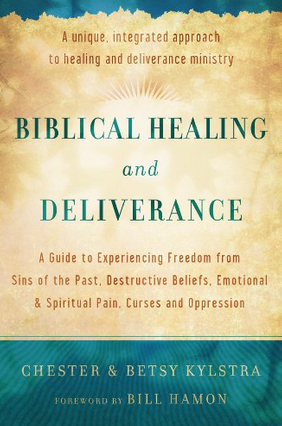
Biblical Healing and Deliverance

biblical healing


by Chester and Betsy Kylstra

The Kylstras wrote this book reveal “the keys needed to unlock the chains that bind our lives and block and hinder our Christian growth.” (p.15) They focus on four interconnected areas of bondage: sins of the fathers and resulting curses, ungodly beliefs, soul/spirit hurts, and demonic oppression.

They call this “an integrated approach to biblical healing ministry.” (p.15) They idea is that unless we deal with all four areas, we leave the door open for bondage and oppression to continue.

I (Pete Beck III) have been involved in this type of ministry for many years now. I began with Ed Smith’s teachings in what was then called Theophostic Ministry, an unfortunate choice for a ministry title. Most people are not familiar with the meaning of theophostic, which means simply “God’s light.” Theophostic was Ed’s attempt to allow Jesus, the Wonderful Counselor, have center stage during ministry sessions, wonderfully freeing and refreshing way to do things. He taught those receiving ministry to listen to the voice of God’s Spirit for themselves, under the oversight and direction of the human minister. Ed was pretty stringent about not employing other techniques of ministry, which I found to be rather restrictive. Over time I developed my own way of employing many of the insights learned from theophostic while combining them with other proven methods. I called what I did “Personal Prayer Ministry” because it heavily relies upon prayer and listening to the Holy Spirit for direction and insight. I also feel free to employ Bible teaching, intercessory and warfare prayer, the gifts of the Spirit, and sharing wisdom gained through experience. A friend of mine introduced me to the Kylstras’ book, which I discovered lays out all the things I had been doing in a very wonderful and thorough way. Although I do not agree perfectly with everything they teach, especially their heavy emphasis on the demonic, I do believe it is the best book on the topic I have ever read. I highly recommend it and have used it as a textbook for training others.

To read what I have personally written on this subject, click here.

If you are interested in learning more about Personal Prayer Ministry, you can contact me personally. I minister to individuals and train others to do the ministry, as long as they have the approval of their own pastoral leadership.

Gospel in a Minute: Jesus is God’s plan to bless the entire earth!

clock

Gospel in a Minute

Peter connected the gospel message to God’s promise to Abraham found in Genesis 12:3 and Genesis 22:18.

Starting with Samuel, every prophet spoke about what is happening today. 25  You are the children of those prophets, and you are included in the covenant God promised to your ancestors. For God said to Abraham, ‘Through your descendants all the families on earth will be blessed.’ Acts 3:24-25 (NLT) 

Principle: Jesus is God’s plan to bless the entire earth!

The entire Bible points to one person, Jesus the Messiah. He is its grand theme. He is God’s wonderful purpose. As Paul put it:

God has now revealed to us his mysterious plan regarding Christ, a plan to fulfill his own good pleasure. 10  And this is the plan: At the right time he will bring everything together under the authority of Christ—everything in heaven and on earth. Ephesians 1:9-10 (NLT) 

When we communicate the gospel message, we have the opportunity to let people know about God’s amazing Son, the eternal Word of God who became a human being in order to pay the penalty for our sins, reconcile us to God, and rescue the entire creation from the chaos of sin and death!

Jesus is God’s plan to bless all the families of the earth through the gospel. He is the One through whom all blessings flow. For those who receive him as Lord and Savior, he is the fountain of life itself.

But those who drink the water I give will never be thirsty again. It becomes a fresh, bubbling spring within them, giving them eternal life.” John 4:14 (NLT) 

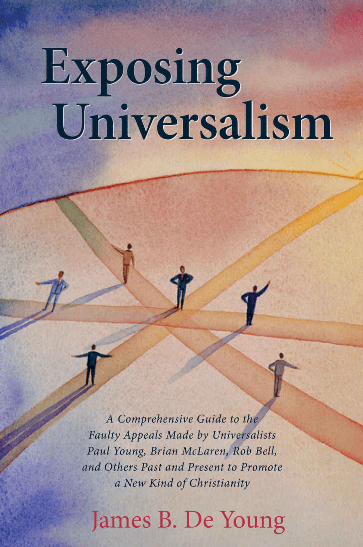
Exposing Universalism

Universalism


by James B. De Young

Universalism is a false teaching that has plagued the church for centuries. Recently this error has seen a resurgence in popular thought and theology, which is dangerous. James De Young has written a great guide to help people understand the dangers of this heresy and to construct a sound way to refute the associated errors. Below is my summary of his book. I hope it inspires you to read it for yourself and commit to further study of this important subject. Please note that De Young particularly addresses the influence and writings of three modern proponents of Christian Universalism: Rob Bell, Brian McLaren, and Paul Young, the author of The Shack, which whom he has a personal acquaintance.

Pastor Pete Beck III

Introduction

The Beliefs of Universalism

De Young lists several distinct theological positions held by Christian universalists, which I will not list here. Afterward he gives the following summary.

The chief argument of universalism (as the reading of Young and Bell clearly shows) is the emotive appeal to God’s mercy and love so that he could not bring eternal suffering to any of his creatures. The argument is: How can a loving God torment untold billions of people forever in hell, the lake of fire, for failing to believe during a lifetime of a relatively few number of years? God’s justice is completely in the service of his love. Universalists also appeal to Scripture, and to history, but in the end these take second place to the appeal to a sense of fairness and justice qualified by God’s love in his dealing with people. God’s love is his supreme attribute. Love and justice are mutually exclusive. Yet, the matter of how God’s love relates to his justice cannot be a question occurring only to moderns. It is reflected throughout the pages of Scripture. Obviously, Jesus himself, Paul the Apostle, and others through the ages have certainly thought about these matters, the nature of God and the reality of hell. Yet they teach that God is both love and just (righteous), that all have a certain degree of knowledge of the true God as witnessed by the creation, that all have a conscience to discern right from wrong. And they assert that people are culpable and responsible for rejecting this knowledge (Romans chaps. 1– 3; 10: 4– 18). And so the debate is engaged between those who accept these biblical statements as authoritative and those who do not.  (De Young, James B.. Exposing Universalism: A Comprehensive Guide to the Faulty Appeals Made by Universalists Paul Young, Brian McLaren, Rob Bell, and Others Past and Present to Promote a New Kind of Christianity (pp. 8-9). Resource Publications, an Imprint of Wipf and Stock Publishers. Kindle Edition.)

Addressing the general slipperiness associated with deception, the author writes.

It is interesting that there is a common reluctance among adherents to universalism to confess their universalism. It is a common practice of universalists to refuse to commit themselves. This agrees with the fact that it is an important element of the creed of universalism that no creed shall be imposed as a creedal test, that no adherent shall be required to “subscribe to any . .  .   particular religious belief or creed.” This allows universalists to say that they both believe and do not believe certain things. Yet over time universalists have published statements of what they believe. By comparing contemporary writers to these “creedal” statements one can uncover what they believe. (De Young, p.10, Kindle Edition)

Universalists Dispense with the Institutional Church

It may come as a surprise to many readers that one of the tenets (if this term is appropriate) of universalism is its opposition to the institutional evangelical church. Both of the writers of fiction, Young and McLaren, are subversive to the existing form of the institutional church, and argue for a new ecclesiology. Young has Sarayu (representing the Holy Spirit) assert that the institutional church is one of many demonic systems that hinder relationship with God. McLaren argues the case for the emergent church which “turns from doctrines to practices,” from what one professes to believe to “how one pursues truth and puts beliefs into action through practices.” In his history of universalism Robinson asserts that Unitarians and universalists were brought together because of their rejection of evangelical Protestantism. (De Young, p. 14 Kindle Edition)

McLaren’s new ecclesiology seems to have forgotten its moorings. Without the proclamation of the gospel, there is no reason for the church. Where is the church’s responsibility to proclaim faith in Jesus Christ, and the good news about salvation in him and deliverance from judgment for sin? What about the role of the church to preserve the truth of Christ? Universalists have gone to the heart of the gospel and redefined it. It is a serious error when the omissions, what writers such as Young and McLaren do not say, reveal what they view the role of the church is in the world. (De Young, p. 15 Kindle Edition)

The evangelical church needs to recognize that the very heart and soul, the meaning, of evangelical faith is at stake. Evangelical faith and its doctrines, including the person of Christ and his view of hell, are under attack by universalism. Universalists have come to their convictions because they believe that the evangelical position on hell and other doctrines is responsible for all kinds of society’s ills, including war and injustice. In The Last Word McLaren blames belief in the doctrine of original sin for the shift in focus away from injustice on earth (for example, racism) to individual salvation . The emphasis on individual sin makes people let social injustice continue . Like the Pharisees, evangelicals adopt a view of hell that “marginalizes the poor by shifting focus from their poverty on earth to their destination in heaven”. Conservatives twist the understanding of the gospel so that “their earthly plans won’t be too inconvenienced”. McLaren embraces a “post-Protestant” church; his characters are “recovering fundamentalists”. He does not use the term “evangelical” because it has been captured by the “religious right” and “so is of little use to anyone else”. McLaren and Young (The Shack, 182; Lies, chap. 5) are agreed in not liking the term “Christian” either, and prefer to be known as followers of Jesus. McLaren identifies evangelicalism as really “neofundamentalism”; he prefers to be called (like Jim Wallis) a “postevangelical” or a “19th century evangelical.” Bell attacks evangelicals as having a “shriveled imagination”. Young rejects his “modern evangelical Christian fundamentalism” roots (Lies, 236). (De Young, p.16, Kindle Edition)

The Universalist “New Man”

All of these writers proclaim that embracing universalism has changed their lives and their preaching. Their new thinking about hell has transformed them into more loving people. They have a greater love for God and their neighbors (Young, UR, 32; Lies, chap. 28; McLaren, 175, 198). Their new theology affects all that they think, in particular the doctrines of salvation, Scripture, Christ, the atonement, the afterlife, the nature of the church, and most of all, the nature of God (Young, UR, 33; Lies, chap. 28; McLaren, 186; Bell, 178– 88). McLaren (18) and Young (UR, 32) acknowledge that they had departed first from the exclusivist view and had begun embracing universalism initially without any biblical basis for doing so. In effect, this means that something, such as emotion or logic, but not the Bible, led them to embrace new beliefs. This is a key point! (De Young, pp.16-17, Kindle Edition)

Universalism Is Not a Minor Threat to the Church

It is clear, then, that universal reconciliation is not a minor distortion of doctrine. It goes to the heart of evangelical faith— who God is; what he accomplished at the cross; what sin is; who Jesus is; how and when people are saved (or if they need to be saved!); what the nature of the judgment after death is; the witness of the history of the church; the meaning of the institutional church, and other matters. (De Young, pp.17, Kindle Edition)

De Young provides a brief overview of universalism’s impact on the church in recent history.

There is a long history of conflict between evangelical faith and universal reconciliation. In more recent years universalism joined with rationalism and liberalism in its acceptance of German higher criticism to undermine and almost destroy evangelical faith on the continent of Europe and in England in the 19th century (as universalism acknowledges and boasts). In early America, it opposed the evangelical Great Awakening under Edwards and Whitefield— an awakening that brought one out of every six people to personal faith, and strengthened the moral foundation for the new Republic. In later years, universalism joined with liberalism and Unitarianism to undermine evangelical faith. In 1960, the Unitarians (who are anti-trinitarian) and universalists joined together to form one “denomination.” What brought them together was their “liberal doctrine.” The present writing of universalism, including its fiction, continues this conflict. It is more seductive than a direct assault on the evangelical understanding of hell would be. Universalism in the emergent church and its embrace until recent years in various organizations such as Young Life make this critique all the more urgent. From being on the sidelines of evangelical faith universalism is attempting to join the team. (De Young, pp.17-18, Kindle Edition)

The Procedure of This Study

De Young next outlines how he has put together the remainder of his book.

In the first section of these pages I present the case for universalism as argued by universalists themselves, and I include my response to each of their points. I cite both nonfiction material and the fictional material in order to evaluate universalism from biblical and exegetical grounds, from history and theology, and from rational and emotive considerations. All of these areas are the same ones that universal reconciliation uses in its claims to be the truth. 42 In the second section of this study I bring universalism under the spotlight of the Bible to show how Christians can deal with universalism in their churches and in their personal encounters. I discuss major texts of Scripture, from Jesus and the Apostles, that universalism for the most part ignores or inadequately discusses or distorts in light of the contexts. These texts oppose the position of universal reconciliation. In the next part of this second section I compose questions that raise theological obstacles to universalism’s view of hell. I show why hell must be everlasting for Satan and unbelievers. Then I cite the fatal consequences inherent within universalism— the harm that comes to the church and its message of hope for the world. Then I show how universalism is subversive to the institutions of society including the church, marriage, and government. Finally, I make some concluding observations about how to deal with universal reconciliation in its many forms in contemporary society. I draw upon the witness of those who in the history of Christianity in America have had to deal with universalism in their day. In the Epilogue, I cite a powerful text dealing with the reality of sin and the consequences of dismissing or denying it, and make a final appeal to readers of this book. The following pages show that universalism departs from the true and actual meaning of the Bible and from Christian faith and doctrine. It also distorts the record of the history of Christianity. I draw upon my many years of teaching the interpretation of the New Testament, the Greek language, the Greek Old Testament (called the Septuagint, or the LXX), and the early Apostolic Fathers of Christian history (who wrote in Greek). I also draw upon my personal acquaintance with Paul Young and his departure from evangelical faith. Throughout, my concern is that the Spirit of God will guide us into the truth, as Jesus promised he would do (John 14: 26). We need to have no fear in exposing falsehood in pursuing the truth. As Jesus promised, the truth will make us free (John 8: 32). We also affirm the love of God as immeasurable and vast and unrelenting and unfailing, as also revealed “in Christ Jesus our Lord” (Romans 8: 28– 39). (De Young, pp.18-20, Kindle Edition)

Section 1: Refuting the Appeals of Universal Reconciliation

The Four Appeals of Universal Reconciliation

  • Appeal to the meanings of biblical language in order to redefine words: aion, hell, and the afterlife.

After studying universalism’s position dealing with “age” and “forever” several far-reaching observations summarize the preceding discussion. (1) Universalism is basically uninformed on how to do word studies, since by and large it neglects context as the determiner of meaning. Also, there is the unscholarly assumption that the same Greek word should always be translated by the same English word (the idea behind the Concordant version, often cited). This is the error called “root fallacy.” No reputable linguist or biblical interpreter affirms this approach. Actually, words in Greek and English have multiple meanings or a wide field of meaning, and there are no true synonyms and no exact equivalents between languages. Hence one context may call for a different translation as compared to another context. For example, the Greek word logos has fifty-two English translations (including “repute,” “show,” as well as the familiar idea of “word”). To argue that aiōn should have the same translation, “eon” or “age,” everywhere is not credible. It must always be context, context, context as the determiner of meaning. (De Young, p.45, Kindle Edition)

  • Appeal to reason and emotion regarding fairness, justice, mercy, and love.

The weight of the statement is that one’s belief should be fashioned finally not by the authority of Scripture but by emotional (“ sentiment”) and rational (“ reason”) concerns. This perspective still shows up in the fictions and nonfictions of Young, McLaren, and Rob Bell. It is distinctive of evangelical faith that the final authority for belief is the Bible plainly interpreted, not emotions or reasons— not subjective thoughts about God. (De Young, pp.40-41, Kindle Edition)

  • Appeal to history with the claim that universal reconciliation (UR) was the predominant position of the church for the first 500 years. This point will be addressed later in the Excursus near the end of this article.
  • Appeal to specific texts of Scripture.

Universalism appeals to texts to teach that God wills all to repent and to be saved, that Jesus has died for all, that atonement and reconciliation have already been made for all, that all will confess Jesus as Lord. If all people do not realize this salvation before they die, then God will use the corrective fires of hell to convince people and fallen angels to repent. God’s love to draw all people does not end with their dying. At some point in the future even hell and the lake of fire will cease to exist. Obviously the name “universal reconciliation” derives from these sorts of texts that incorporate the term “all” or “reconciliation.” (De Young, p.22, Kindle Edition)

Section 2: Correctly Interpreting the Bible

De Young spends a great deal of time addressing numerous texts and passages of Scripture in order to examine and refute universalist arguments. I will not take the time to cite these here. Chapter 12 covers the parables of Jesus. Chapter 13 looks at the apostolic teachings on judgment and hell. Chapter 14 asks sixteen questions that expose universalism’s false beliefs about hell. (p.236) His concluding paragraph is quoted below.

In summary, the texts cited by universalists do not teach universal salvation but have other possible explanations. 269 They may refer to the following. (1) God’s universal desire that none perish, not to a universal plan to save all. (2) God’s universal purpose through the atonement to provide “the blessings of common grace to all.” That is, all humanity without exception experience the providence of God, as the Bible teaches in many places (e.g., Matt 5: 45; 6: 25– 33; Acts 17: 24– 28). (3) The universal sufficiency of Christ’s atonement for all. (4) The universal pacification that disarms forces of evil but does not lead them to Christ (Col 2: 15; Phil 2: 9). (5) Christ’s being the savior of the world, but this means only that Christ has provided sufficient salvation for the world. Its realization is limited to those who respond in repentance and faith. (De Young, pp.241-242, Kindle Edition)

Chapter 15 addresses eight fatal consequences belonging to universal reconciliation and gives a summary of nine errors, which I here quote in their entirety.

The following are the fatal dangers that arise if one is going to embrace universalism. These consequences amount to a redefinition of the gospel taught by our Lord Jesus and his Apostles.

  1.  In adopting universalism, one rejects the traditional view of the church through the ages, and embraces what the community of faith has identified as heresy (it is rejected by the Eastern, Roman, and Protestant churches). Universalism has been close to Unitarianism in “sentiment and action.” The Unitarians have become increasingly humanistic and reject the trinity and the deity of Christ. In 1825 they declared that they are not a part of the Christian church. In 1959 they voted to merge with the universalists. The merger was accomplished in 1961. It is not surprising that Unitarians and universalists enjoy company, since they part company with the community of the faith over the destiny of the wicked. They end up disparaging the work of Christ. The more recent attempt to reform a Christian universalist denomination only reinforces the deliberate attempt to deceive the evangelical church.
  2. Universalism disparages the love of God by rejecting, in the end, the value of the greatest act of God’s loving, namely the redemption secured by the sacrificial, substitutionary, atoning death of Jesus Christ. If in the end all people, and even Satan and his angels, are saved and enter heaven, what in the end is the value of Christ’s death? His death cannot help fallen angels and the devil. Upon serious reflection does it really matter that Jesus became incarnate and died if God is so loving that everyone without exception enters heaven? Does this view not subject God’s justice and holiness to his love, as universalists claim, so that they are distorted? In neutralizing justice one also neutralizes, indeed extinguishes, grace.
  3. Ultimately the person of Jesus Christ is disparaged. His death and resurrection do not make a difference in the end. Yet he is worthy of all honor by all because of his death (Phil 2: 11). The very text claimed as a basis for universalism, the reconciling of all to God, counts for nothing in the end, as far as exalting Jesus on a par with God the Father (giving him the name that is above every name— the name Yahweh). The history of universalism witnesses to this increasingly humanistic trend. Universalists tend to focus on God the Father to the blasphemous neglect of Jesus Christ— just as “Papa” (representing the Father), rather than Jesus, occupies center stage in Young’s The Shack.
  4. Evangelism is distorted. There is the real danger that the proclamation of the gospel will be considered less urgent because there is the ever-present option that people, all people, will ultimately be saved anyway. People are denied the knowledge that their rejection of Christ has everlasting consequences that cannot be altered after dying. The great commission is pointless; and the call to holiness is reduced in urgency as well. The meaning of John 3: 16 is abrogated. The promise that “whosoever believes in Christ might not perish but have everlasting life” is now understood in universalism to say that “perish” does not mean everlasting separation but that all will have a second chance after death and all will escape hell. The verse now reads:“ whosoever believes in Christ before or after death will not perish but have everlasting life.”
  5. Universalism taints society’s own sense of justice and retribution. Universalism teaches that even the most incorrigible of persons, the most leprous specimens of society (think here of Hitler, Pol Pot of Cambodia, Stalin, Mao Tse Tung, etc.), who have given themselves over to evil till the moment of death, still will be accepted one day into God’s heaven. Does this not debase our human conception of fairness, of right and wrong— of justice?
  6. If there is a legitimate place for the imprecatory Psalms of the OT, that implore God’s judgment on his enemies, then it is possible to distinguish between the righteous and the wicked in this life and beyond. But universalism denies this. It maintains that all are God’s people and he loves them equally. All are already reconciled to God. Universalism extends this “equal love” to the devil and the fallen angels.
  7. Promoters of universalism bear a special responsibility for promoting heresy. Writers of fiction (as McLaren and Young) are particularly clever to promote universalism to the unsuspecting who are caught up in the story. If tens of thousands, even millions, of people are reading their fiction books, and more recently the nonfiction of Bell and Young, should not the evangelical church warn the readers of the false doctrine that pervades them? Not since the time of the declaration of the universalist ministers of Boston in 1878, do these writers have the potential to do more to promote this heresy than any others in history.
  8. Biblical interpretation, hermeneutics, is forever distorted if universalism is correct. There is the repeated appeal to the argument of silence. There is a disavowal of half of the nature of God as wholly just so that the content of the Bible on this topic is ignored or deemed irrelevant. There is the “root fallacy” of insisting that a Greek word (aiōn) should have always and only the same interpretation in English. There is a rejection of the rule of interpreting by the wider context. There is rejection of interpreting according to the analogy of the faith— what the vast majority of Christians have always believed— what is in the Bible from cover to cover. There is the distortion of historical theology. There is failure to interact with strong proponents of contrary views. There is failure to consult the modern standard dictionaries and commentaries. There is rejection of the rule that one should generally go with the simplest interpretation. There is rejection of the principle that one should generally go with the interpretation on which there is general consensus. If universalism is correct in its hermeneutics, the church will have to go back and argue over again all the decisions by the great councils of the church regarding the deity of Christ, his natures, and even the extent of the canon! Universalists, including Young and McLaren, are well informed advocates of universalism. Thereby they prove themselves unworthy interpreters of the Bible and teachers of falsehood and deceit. Their departure from the evangelical, apostolic faith proves that they are antichrists and deceivers (1 John 2: 18– 25; 4: 1– 6). What they do is to rape biblical faith.

SUMMARY OF THE NINE ERRORS OF UNIVERSAL RECONCILIATION

The claims of universalism rest on faulty bases.

  1. There is no clear teaching in Scripture that affirms a “second chance” for people to alter their destinies after death, nor for the hearing of the gospel after death, nor for the exercise of faith in Christ after death, nor for repentance after death. Jesus himself is the strongest proponent (as in Luke 16; Matt 25) of eternal suffering in hell and thus the strongest opponent to universalism. The choice is to be either a disciple of Jesus Christ or of universalists. The choice is clear.
  2. It is a falsehood that the church held universalism for the first five centuries. The earliest Apostolic Fathers do not support such a view. Instead, they affirm what the NT does: the wicked are lost in hell forever; they cannot change their destiny.
  3. The only real basis of universalism is a distorted inference drawn from the love of God— distorted because, by its adherents’ own assertion, God’s justice must be subservient to God’s love. The universalist ministers of Boston said that God’s justice is “born of love and limited by love.” 276 Yet the death of Christ was a satisfaction of both love and justice (Rom 5: 6– 11; 3: 22– 26), and neither can be limited by the other without losing its true value. Jesus Christ “loves righteousness” (Heb 1: 9). The summary of OT faith is found in Micah 6: 8. God requires of his people that they “act justly, love mercy, and walk humbly with their God.” It is not surprising that universalists never or rarely mention such verses! Universalism asserts that the love of God could not allow people to go to everlasting judgment. But if this is so, why did not God’s love constrain him at the beginning, to prevent the fall of humanity into sin and suffering and death and war and disease, etc., etc., over so many millennia? How could a loving God allow all of this?
  4. Universalism is the new face of the old opposition taken by the creature who defies the Creator, accusing him of injustice (Rom 9: 14). The devil is the mouthpiece of universalism. When the latter asserts that there is not eternal death or judgment for the ungodly, they are saying as the serpent said to Eve: “You shall not surely die.” There are some things that God cannot do— to act contrary to his nature as God. If in the end even the devil and his angels are to be saved or reconciled into God’s favor and heaven, what becomes of hell? Why did God create Satan and allow him to fall, and bring such havoc into the world’s history, if in the end even he is brought back? Why is there such an infinite cost requiring the death of the incarnate Son if in the end all reach heaven anyway?
  5. Universalism voids the accountability of every person to choose to accept forgiveness and reconciliation offered in Christ. It withholds from multitudes the opportunity to be saved so that they perish in hell. Another thing that God cannot do is to void his will that people have a will to choose contrary to his will, to disbelieve.
  6. Universalism minimizes the death of Christ. In the lengthy statement of the universalist ministers of Boston there is no mention of placing faith in Christ in order to be reconciled to God— not one word. Yet God has exalted Christ so as to make him worthy of the title of Yahweh (Phil 2: 9). There is salvation in no other than in him alone (1 Tim 2: 5; John 14: 6). Even omnipotent love cannot transform the wicked into the righteous suitable for heaven, for the kind of righteousness required for heaven is only found by being justified by faith in Christ, a faith freely exercised without coercion or force by the fires of hell.
  7. Universalism is wrong in its doctrine about the fallen angels. They cannot ever be restored. The Bible offers no atonement, no forgiveness, no hope, no reconciliation for the fallen angels and for Satan. Jesus became human to save people; he did not become angelic to save angels (Heb 2: 16). He died to save people by becoming the God-man. He did not die to save angels by becoming the God-angel. There is no Savior, no redeemer, no reconciler for them. They are lost forever. And if the fallen angels are lost forever, then hell (or the lake of fire) is forever or everlasting. It is a place where lost humanity who join the devil’s side will also go permanently. If hell is permanent for the devil and his angels (note that this is what Jesus asserted, Matt 25: 41), it must be permanent for human beings who choose their side.
  8. Universalism fails to realize that “the fires of heaven . .  .   are hotter than the fires of hell” for those who have chosen to be God themselves. Universalism cannot draw back a step and say: “Let’s make hell the permanent place only for the fallen angels, not for people.” It cannot do this. For it argues that love limits God’s justice, that love triumphs over justice. It argues that if there is permanency of separation for any creature then love has not won, then God has been defeated. According to universalism, it has to be the restoration of all creatures or it is the restoration of no creatures. Universalism is stuck in a position that ultimately drives its adherents into an impossible, because it is immoral and untruthful, position.
  9. Universalism’s distortion of God’s love bears its own demise. Such a concept holds God hostage to the enemies of Christ and the fallen angels and Satan. By this reckoning they win, not God. (De Young, pp. 243-248), Kindle Edition)

Chapter 16 shows how universalism subverts the institutions of society.

Giddens foresees the far reaching effects of opposing the institution of marriage on other institutions. But I think the priority lies with the church. Universalists, in refusing to be bound by rules, creeds, and institutions, embrace a similar scenario for their relationship with God as Giddens has traced it for marriage. I maintain that undermining the institution of the church, which sanctions government and marriage, will have even more severe consequences for society. I would argue that the very undermining of the institution of marriage presently going on by the gay community and the government is a result of the undermining and compromise of the church that preceded it. After all, it is the church that defines what is moral and sin, and homosexual behavior is condemned in Scripture. Yet many churches are embracing certain forms of same-sex behavior. It is these churches that are to blame for the erosion of the institution of marriage. (De Young, p.256, Kindle Edition)

Conclusion

De Young covers a lot of ground in the conclusion, including a salient paragraph by Oswald Chambers.

The Death of Jesus Christ is the performance in history of the very Mind of God. There is no room for looking on Jesus Christ as a martyr; His death was not something that happened to Him which might have been prevented: His death was the very reason why He came. Never build your preaching of forgiveness on the fact that God is our Father and He will forgive us because He loves us. It is untrue to Jesus Christ’s revelation of God; it makes the Cross unnecessary, and the Redemption “much ado about nothing.” If God does forgive sin, it is because of the Death of Christ. God could forgive men in no other way than by the death of His Son, and Jesus is exalted to be Saviour because of His death. “We see Jesus . .  .   because of the suffering of death, crowned with glory and honor.” The greatest note of triumph that ever sounded in the ears of a startled universe was that sounded on the Cross of Christ—“ It is finished.” This is the last word in the redemption of man. Anything that belittles or obliterates the holiness of God by a false view of the love of God, is untrue to the revelation of God given by Jesus Christ. Never allow the thought that Jesus Christ stands with us against God out of pity and compassion; that He became a curse for us out of sympathy with us. Jesus Christ became a curse for us by the Divine decree. Our portion of realizing the terrific meaning of the curse is conviction of sin, the gift of shame and penitence is given us— this is the great mercy of God. Jesus Christ hates the wrong in man, and Calvary is the estimate of His hatred. (De Young, pp.263-264, Kindle Edition)

Excursus: The Doctrine of Endless Punishment by William G.T. Shedd

William G. T. Shedd was born to New England Puritan parents in 1820 and devoted his life to the teaching of theology. Among many works his The Doctrine of Endless Punishment was published in 1886, eight years before his death. He wrote this book because already universalism was being introduced into the Presbyterian church in Scotland and being accepted in America. Shedd’s work is a brilliant, persuasive defense of the doctrine of everlasting punishment. He is well acquainted with the history and influence of universalism and gives an able defense of the biblical truth from the standpoint of the Bible, reason, and history— the same three appeals that universalists use. (De Young, p.266, Kindle Edition)

In his first part, Shedd offers some new evidence for the historical reach of universalism (UR). As I tried to prove above, contrary to what UR asserts, the “common opinion in the Ancient church was that the future punishment of the impenitent was endless” (p. 1). Thus the claim of UR to the contrary is patently false. Shedd backs up his claim by noting that comparing this doctrine with that of the Trinity, there was far more dispute over the latter than over the former. Shedd notes that UR, having so little support in Scripture and reason, “gradually died out of the Ancient church by its own intrinsic mortality” (2). Neander in his history acknowledges that there was more “restorationism” in the period of 312-590, mainly due to the influence of the Alexandrian school under the influence of Clement and Origen, than earlier. Yet eternal punishment was the dominant view (2). Hagenbach agrees that during the period up to 250 most of the fathers held to eternal punishment. (p.268)

Shedd asserts that the views of Origen were strongly combatted by contemporary church leaders and subsequently by church leaders such as Epiphanius, Jerome, and Augustine (4). As far as the medieval church is concerned, it was virtually united in support of endless punishment. The Reformation churches, both Calvinistic and Lutheran, held the same position (4). (pp.268-269)

Since the Reformation many individuals and some sects have embraced various views of the afterlife: universalism, restorationism, and annihilation. Church denominations have never embraced these views, but some within them have done so. Evangelical churches have not embraced them [even into the 21st century, I would add]. Shedd notes that denial of endless punishment usually accompanies denial of original sin, vicarious atonement, and regeneration (5). [In the chapters above I’ve noted this same phenomena, which isn’t surprising]. (p.269)

Exposing Universalism is a great read for the serious student who wants a thorough understanding of the errors and dangers associated with the doctrine of Universal Reconciliation and how to combat them.

Gospel vs. Culture: How the Gospel Confronts the Culture’s Idols and Lies

deception


The Gospel

The gospel is a proclamation of truth about God, mankind, Jesus the Messiah and Lord, and the coming judgment. It offers a way of escape from the judgment that has been pronounced upon the world through the cross. It offers an opportunity to join God in ruling over a new creation at the end of time.

By nature, the gospel confronts the sinful status quo – the embedded lies and rebellion against God found in the human soul and the prevailing culture.

The gospel is powerful and is God’s designated means to overthrow Satan’s rule in individual lives and ultimately in nations and cultures.

For I am not ashamed of this Good News about Christ. It is the power of God at work, saving everyone who believes—the Jew first and also the Gentile. Romans 1:16 (NLT) 


Culture, Idolatry, and Lies

One definition of culture is that it is…

…a shared vision of the nature of reality. This vision must include some understanding of both the immanent and the transcendent orders. It will incorporate unseen actualities and accepted moral verities that are believed to affect the arrangement of both the natural and social world. In short, a culture incarnates and expresses a religion. (From Sharper Iron Blog)

From the gospel’s perspective, cultures and the people who live in them thrive to the degree they embrace the truth about God and put into practice the values that define godly living. We see this historically. Those cultures that have embraced Christianity have thrived; whereas, those who reject the Bible’s testimony about God languish. Those cultures which attack the Jews and Christians descend into darkness, inhumane practices, and depravity.

Cultures degrade in proportion to how much they suppress truth and reject biblical norms. (Romans 1)

Human beings are idolators by default as a result of the Fall. We were designed by God to be dependent creatures, who are programmed to worship and serve him. When we turn away from God, the drive to worship and serve will be transferred to an inferior replacement for him, what the Bible calls an “idol.” Idols are products of the sinful human desire to have a “god” who protects and serves us, while condoning our sinful and rebellious behavior toward the true God.

In other words, idols are gods created in our own image which never confront our sin.

The Bible teaches us that we become like whatever we worship. (2 Corinthians 3:18) If we worship God, we become like him. If we worship something inferior, we degrade from God’s created purpose for us. This is by God’s design. God’s purpose is for humanity to reflect God’s glory as we worship him, but when we bow down to and serve an idol, we are transformed into that corrupt image. Idols are not always images made of metal, wood, or stone. Idols can be as subtle as devotion to the pursuit of wealth, if that pursuit displaces our worship of and reliance upon God who is our Provider. Jesus called this serving “Mammon.” In America, the pursuit and deification of “liberty” has led us to believe that freedom in and of itself is worth putting on a pedestal. Freedom apart from God, however, inevitably leads to slavery to our own sinful desires. True freedom is found in obeying God and always results in worshiping and serving him.

Our modern secular culture has major embedded idols and lies. Here are a few that I will cover in this article.

  • There is no God, and we got here by ourselves. The denial of God’s existence is the chief lie. It is intended to eliminate our accountability to our Creator and elevate us to godhood status, the pursuit of which was the original sin. We want to run our own lives without reference to God. A necessary corollary to atheism is self-creation or spontaneous evolution. This bold lie elevates man to the highest rung on the developmental ladder in a godless and amoral universe, giving him a virtual godlike status. Self-worship is the ugliest form of idolatry. Because of the deification of self, Satan receives our worship, too. Our culture has become grossly narcissistic.
  • Truth, sin, and morality are fluid human constructs. Having thrown out God and elevated man to be the measure of all things, our culture maintains that truth, morals, and laws are human constructs which can be changed or discarded at will. The first domino to fall was the belief that truth is absolute. If there is no God, then truth does not come from him. Once truth falls, everything else is up for grabs. Our concept of sin can no longer derive from what God says it is. Instead, sin is viewed as a violation of a societal norm, something changeable. Morality is the next domino to fall, as man attempts to redefine what it means to be good or right. Once again, self-worship is behind it all, propelling the culture to slide into behaviors and beliefs that ultimately destroy it from within.
  • We are accountable only to ourselves. If there is no God, we not only get to make our own rules, but we are accountable to no one but ourselves. The idol that this lie engenders is pure power. Cultures that reject accountability to God slide into totalitarianism.

How the Gospel Confronts the Culture

The gospel directly confronts each of these lies. The proper delivery of the gospel should challenge and refute whatever idol is being worshiped by the hearers. Remember, the gospel presents Jesus as the Lord of Lords, not simply as Savior.

The devil and the anti-god world system seek to encapsulate the gospel and render it impotent in a way that is similar to how a human body walls itself off from infection. The powers that be tell us that all religions are created equal, and therefore, none can issue a moral imperative. None have the “right” to tell people what to do or believe, since no religion is “right.” We are told that what we believe is a private matter and has no inherent authority in the secular public square.

The culture and ruling powers are not usually too upset with the gospel’s claim that Jesus forgives sins. What it hates and fights against is Jesus’ claim to be God, the sole arbiter of truth, the judge of all mankind, and the ruling eternal king.

There Is a God

The Bible declares up front that there is a God who is the Creator. Paul wrote that the entire creation unequivocally declares the existence and power of God for all to see. The only way people can arrive at the position that denies God’s existence is by deliberately suppressing the truth. (Romans 1:18-20) Deep down everyone knows there is a God. The gospel calls its listeners to acknowledge that he exists but that it is to him we owe our existence.

In the beginning the Word already existed. The Word was with God, and the Word was God. 2  He existed in the beginning with God. 3  God created everything through him, and nothing was created except through him. John 1:1-3 (NLT)  

Unless we come to grips with God’s existence and preeminence, we can go no further. The gospel confronts the lie of atheism first of all and calls people back to our obligation to worship, serve, and glorify God the Creator. Our greatest joy in life is experienced in returning love to the God who loves us past comprehension.

May you experience the love of Christ, though it is too great to understand fully. Then you will be made complete with all the fullness of life and power that comes from God. Ephesians 3:19 (NLT) 
 
We Are Dependent on our Creator

Not only is there a God, but everything we see and experience came from him and is sustained by him.

Christ is the visible image of the invisible God. He existed before anything was created and is supreme over all creation, 16  for through him God created everything in the heavenly realms and on earth. He made the things we can see and the things we can’t see— such as thrones, kingdoms, rulers, and authorities in the unseen world. Everything was created through him and for him. 17  He existed before anything else, and he holds all creation together. Colossians 1:15-17 (NLT)  

This gospel truth strikes a fatal blow at man’s desire to be his own god. As dependent creatures, we are humbled to admit that we need God every moment. Coming back into alignment with the truth about our relationship with God allows us to once again draw life, direction, and wisdom from our Creator – Sustainer – Redeemer. This gives us the greatest joy, freedom, and fulfillment.

Truth Originates in God and Is Absolute

Jesus the Messiah called himself “the Way, the Truth, and the Life.” (John 14:6) Truth exists because God is truth. Truth is defined by and comes from God. God is unalterably true in his words and deeds. He means what he says and says what he means. He never lies. The gospel confronts us with the truth about God, ourselves, our sin, judgment, life, and the our eternal destiny. Unless we repent of our lying ways and accept God’s truth, we cannot be saved. This includes accepting the gospel as God’s true testimony about himself, his Son, and his offer of salvation.

He [the devil] will use every kind of evil deception to fool those on their way to destruction, because they refuse to love and accept the truth that would save them. 11  So God will cause them to be greatly deceived, and they will believe these lies. 12  Then they will be condemned for enjoying evil rather than believing the truth. 2 Thessalonians 2:10-12 (NLT) 
 
Sin Is Real and Produces Death

The Bible clearly teaches that every person born from Adam is a sinner. (Romans 3:23) All sin derives from our inborn rebellion against God, which is demonstrated by our choice to live on our own terms instead of in humble cooperation with and dependence upon God. Separation from God results from sin and always produces death. (Romans 6:23)

When we knowingly align ourselves with that which brings death, it produces a terrible tension and guilt within us. God gave us consciences to help us be aware of our terrible situation. When confronted with the truth, if we refuse to repent, our consciences can become unfeeling and useless. People become hardened in their rebellion against God, which darkens their ability to think clearly and correctly. (Romans 1:21) Many such people develop philosophies and theologies that agree with their sinful position in an attempt to soothe their guilty consciences. None of this works because we do not get to define sin for ourselves. All it does is keep people alienated from God and reserved for the coming judgment. (Acts 13:46)

The gospel identifies and confronts our sin. It calls us to turn away from our sins and reach out to God in faith to receive the complete forgiveness that Jesus died to give us.

Morality Is Part of God’s Order

Morality, the culture’s accepted standards of good conduct and justice, is woven into God’s creation order. We do not get to determine our own versions of what is good and virtuous. One reason God gave Moses the Law was so that we would have a written standard that reflects God’s righteousness. Society and individuals generally adopt a morality that agrees with their sinfulness. The further from God a culture drifts, the more its morals become skewed. The gospel calls the culture back to God’s moral order and gives people the transformative grace to live according to God’s ways.

We Are Accountable to God Who Will Judge All People

The last major lie confronted by the gospel that I will cover in this article is that people have no ultimate accountability to anyone but themselves. This untruth is a logical derivation from the lie that there is no God. Even people who acknowledge God’s existence often live as functional atheists, which means that by looking at how they live you would never know they believe in God.

The gospel directly confronts this lie by announcing that Jesus is coming back to judge the living and the dead.

“God overlooked people’s ignorance about these things in earlier times, but now he commands everyone everywhere to repent of their sins and turn to him. 31  For he has set a day for judging the world with justice by the man he has appointed, and he proved to everyone who this is by raising him from the dead.” Acts 17:30-31 (NLT)  

The gospel calls all people to repent and receive forgiveness and then live in a way that brings honor and glory to God.

Peter replied, “Each of you must repent of your sins, turn to God, and be baptized in the name of Jesus Christ to show that you have received forgiveness for your sins. Then you will receive the gift of the Holy Spirit. 39  This promise is to you, and to your children, and even to the Gentiles—all who have been called by the Lord our God.” 40  Then Peter continued preaching for a long time, strongly urging all his listeners, “Save yourselves from this crooked generation!” Acts 2:38-40 (NLT)  


The Second Coming of Christ

The Second Coming of Christ is an integral part of the gospel. When we proclaim that Jesus is coming back again, it enables us to establish several important truths.

  • Jesus, eternal Word of God who created all things, became a man who died for our sins as God’s Lamb and rose again as Lord of Lords.
  • His Second Coming will finally and completely establish is God’s rule over the earth.
  • He is the glorious Son of Man prophesied by Daniel who will judge the living and the dead.

Once he appears in the sky, every aspect of the gospel will be proved true. Then it will be too late to get right with him. Today is the day of salvation. Now is the time to repent and believe the good news that in Christ God is offering to reconcile us to himself!

The gospel is not merely a presentation of what Jesus did on our behalf to save us from our sins. The gospel reestablishes who God is so that we can come into proper alignment with him through repentance and faith. The gospel affirms the honor and glory of the risen Lord. The gospel is a declaration of war upon the lies and idolatry of mankind. The gospel is a clarion call to become part of God’s eternal kingdom, which will eventually destroy all opposing kingdoms.

As my vision continued that night, I saw someone like a son of man coming with the clouds of heaven. He approached the Ancient One and was led into his presence. 14  He was given authority, honor, and sovereignty over all the nations of the world, so that people of every race and nation and language would obey him. His rule is eternal—it will never end. His kingdom will never be destroyed. Daniel 7:13-14 (NLT) 

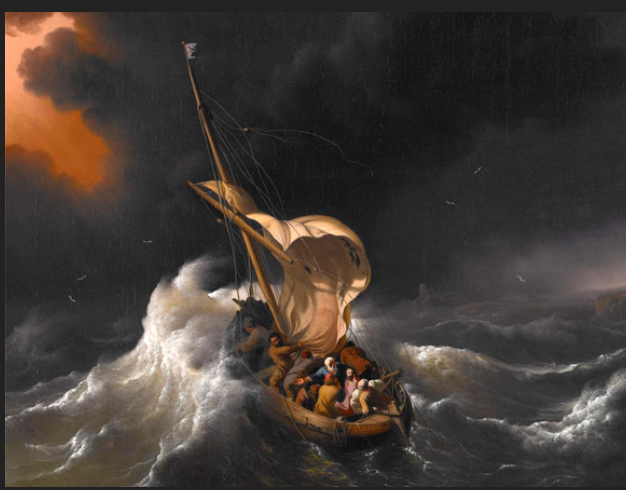
How to Deal with Injustice

storm


One of the most challenging things any of us will face in life relates to injustice. Something deep in our souls cries out for justice. Unfortunately this godly desire is easily corrupted into bitterness and a desire for revenge, both of which are anti-God. Left unchecked bitterness will destroy us and those around us, and revenge, according to the Bible, is God’s domain alone. When we go there, we are likely to bring his judgment upon ourselves.

Vengeance is Mine, and retribution, In due time their foot will slip; For the day of their calamity is near, And the impending things are hastening upon them. Deuteronomy 32:35 (NASB) 

When we we are on the receiving end of injustice, it is important for us to resist the urge to respond sinfully. Jesus taught us not to return evil for evil.

“Love your enemies! Do good to them. Lend to them without expecting to be repaid. Then your reward from heaven will be very great, and you will truly be acting as children of the Most High, for he is kind to those who are unthankful and wicked. 36  You must be compassionate, just as your Father is compassionate. Luke 6:35-36 (NLT)

The only way a person can follow Christ’s teaching on this matter is if he or she believes that God is just and has everything under control. As the Apostle Peter encouraged us:

Don’t repay evil for evil. Don’t retaliate with insults when people insult you. Instead, pay them back with a blessing. That is what God has called you to do, and he will bless you for it. 1 Peter 3:9 (NLT) 

Therefore, those also who suffer according to the will of God shall entrust their souls to a faithful Creator in doing what is right. 1 Peter 4:19 (NASB) 

The only way to do this is if we believe that God will eventually bring all of us to give an account for what we say, think, and do. A firm belief in God’s justice and judgment is part of the gospel message, as Paul so clearly showed when he delivered the following statement to the people in Athens.

"Therefore having overlooked the times of ignorance, God is now declaring to men that all people everywhere should repent, 31  because He has fixed a day in which He will judge the world in righteousness through a Man whom He has appointed, having furnished proof to all men by raising Him from the dead." Acts 17:30-31 (NASB)  

Without this conviction, we may think and act as if we must personally take action to insure that justice is done.

Faith in God’s justice and sovereign rule over his creation is the foundation for committing injustice issues into his hands.

Is there a place for self-defense? Of course. Is there a time to go to war against those who are trying to annihilate you? Yes. But is there also a time for taking injustice “on the chin,” without retaliating? Yes, especially when that injustice is linked to being persecuted for our faith and allegiance to Christ. It may be quite proper to kill another human being in defense of family or country, but I cannot think of a situation where Jesus taught his followers to kill as part of demonstrating their allegiance to him.

And they overcame him because of the blood of the Lamb and because of the word of their testimony, and they did not love their life even when faced with death. Revelation 12:11 (NASB) 

How do we decide what to do in any given situation?

  • First of all, reaffirm our faith in God’s sovereignty and justice.
Righteousness and justice are the foundation of your throne; steadfast love and faithfulness go before you. Psalm 89:14 (ESV) 
  • Secondly, lay aside any desire for revenge.
Never take your own revenge, beloved, but leave room for the wrath of God, for it is written, "VENGEANCE IS MINE, I WILL REPAY," says the Lord. Romans 12:19 (NASB) 
  • Thirdly, ask the Holy Spirit what is the loving way to respond.
For judgment will be merciless to one who has shown no mercy; mercy triumphs over judgment. James 2:13 (NASB) 
  • Lastly, act in such a way that blends faith with love and demonstrates our enduring hope in the gospel. This will necessarily include praying for those who mistreat us.
But I say to you who hear, love your enemies, do good to those who hate you,28 bless those who curse you, pray for those who mistreat you. Luke 6:27-28 (NASB)

When Jesus was put to death, he asked his heavenly Father to forgive his torturers. (Luke 23:34)  He knew and trusted that his Abba was in control, regardless of how it looked or felt. He released himself into God’s hands and trusted him for a perfect outcome, which, in his case, included the resurrection.

Jesus was able to show mercy to his persecutors because he knew that his heavenly Father would impose perfect justice in his way and his time.

Jesus’ firm trust in his Father’s sovereignty and justice allowed him to lay down his life as the Lamb of God and three days later rise from the dead as Lord of Lords and Ruler over the nations.

Humble faith in God’s justice will elevate us to a place of honor in God’s kingdom.

Humble yourselves before the Lord, and he will exalt you. James 4:10 (ESV) 

Jesus will one day return as the Judge over all the affairs of mankind. God extends mercy to every sinner who directly or indirectly participated in the terrible injustice of killing his Son, which includes all of us, but if we do not repent and accept the forgiveness offered in the gospel, we will eventually encounter the flaming fire and destruction of God’s justice.

For we know Him who said, "VENGEANCE IS MINE, I WILL REPAY." And again, "THE LORD WILL JUDGE HIS PEOPLE." 31  It is a terrifying thing to fall into the hands of the living God. Hebrews 10:30-31 (NASB)  

It is important for us to consider that the children of those leaders who put the Messiah to death were annihilated along with the entire city of Jerusalem by the Roman army some forty years later.

God is never mocked. There will always be hell to pay for injustice for those who refuse to repent.

Do not be deceived, God is not mocked; for whatever a man sows, this he will also reap. Galatians 6:7 (NASB) 

It is one thing to understand these principles, but another thing altogether to live them out when we personally encounter injustice. If we are still on the wrong side of God’s justice, today is the day for us to accept God’s amazing offer of forgiveness and reconciliation. The gospel offers us the opportunity to lay down our rebellion against God, receive forgiveness, and be reconciled to Abba Father. Once we have done that, may these words encourage us to trust in God’s justice rather than try to impose our own.

Share this post...